

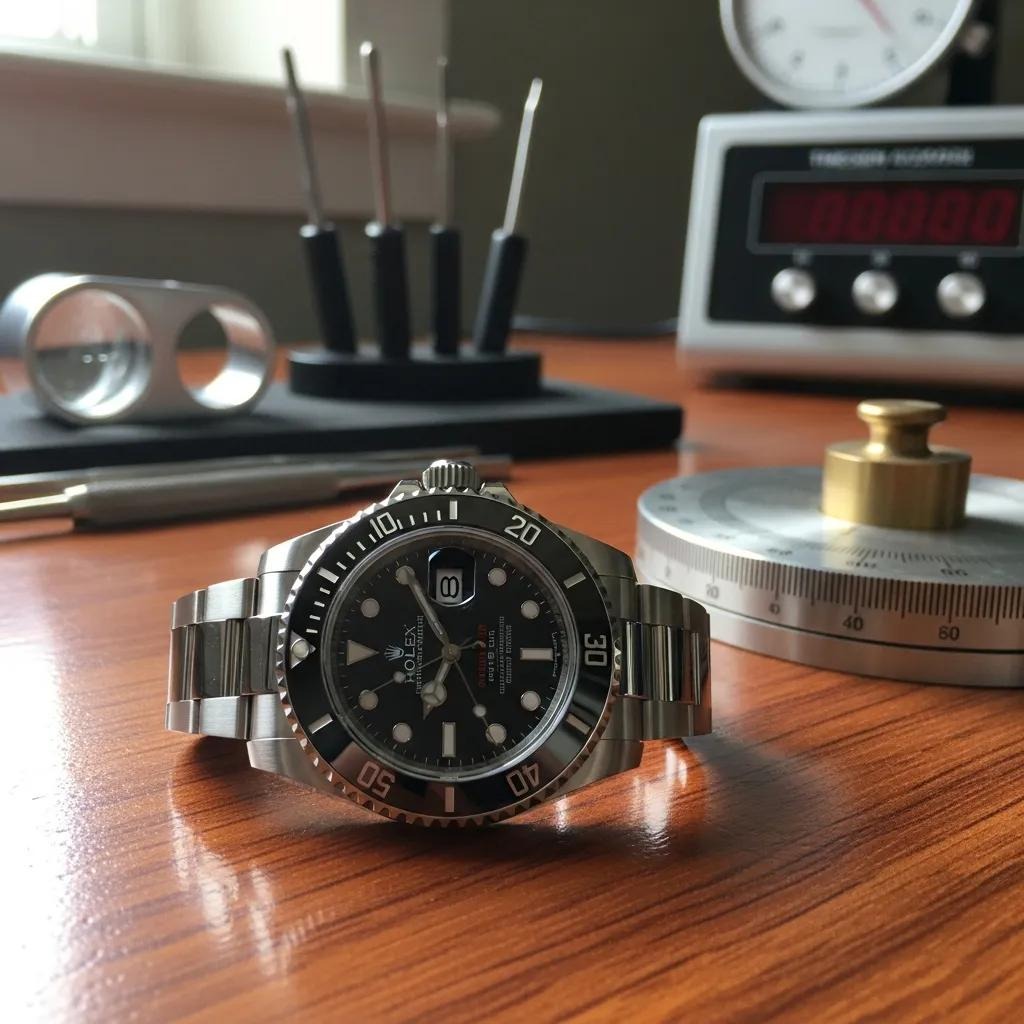
The authenticity of luxury watches, particularly Rolexes, has always been a topic of intrigue and concern among collectors and enthusiasts. As counterfeiters become increasingly sophisticated, the need for reliable methods to verify authenticity is paramount. One such method is the weight test, which claims to differentiate between genuine and fake Rolex watches based on their weight. This article delves into the mechanics of the Rolex weight test, its limitations, and other methods of authenticity verification. We will also explore how to effectively use weight scales for replica detection and analyze current trends in the Rolex replica market in 2026.
Indeed, the challenge of authenticating luxury items like Rolexes is a significant concern for both consumers and sellers, highlighting the broader issues in the luxury product market.
Luxury Product Authentication: Methods & Deficits
Luxury products are expensive goods of high quality that are produced in limited quantities. Unsurprisingly, the problem of counterfeiting is especially high for such products, causing various issues for sellers and consumers. Therefore, product authentication represents an important endeavor. While traditional approaches such as expert-based product authentication are reliable but expensive, consumer-based approaches are cheaper but significantly more error-prone. Most desired features include tracking the sales history via, e.g., the blockchain or online directories, the traceability of ownership, or the possibility to conduct home tests for consumers.
Methods to authenticate luxury products: Identifying key features and most recognized deficits, R Zimmermann, 2023
Rolex Weight Test Explained
The Rolex weight test is a method used to assess the authenticity of a Rolex watch by measuring its weight. Genuine Rolex watches are crafted with high-quality materials, resulting in a specific weight that can be compared against known standards. This test is significant because it provides a quick and straightforward way to identify potential counterfeits. However, it is essential to understand that while weight can be an indicator of authenticity, it is not foolproof. Many counterfeiters have begun to replicate the weight of genuine Rolex models, leading to misconceptions about the reliability of this test.
Common Misconceptions About Weight Tests
One common misconception is that all fake Rolex watches will weigh significantly less than their authentic counterparts. While this may be true for some lower-quality replicas, many high-end fakes are designed to mimic the weight of genuine models closely. This can lead to false confidence in the weight test as a standalone verification method. Therefore, it is crucial to combine the weight test with other authenticity checks for a more reliable assessment.
Limitations of Weight Testing for Fake Rolex
While the weight test can provide valuable insights, it has its limitations. Advanced replica manufacturing techniques have made it possible for counterfeiters to produce watches that closely match the weight of authentic Rolexes. Additionally, factors such as the condition of the watch and the materials used in its construction can affect its weight. Therefore, relying solely on weight testing can lead to inaccurate conclusions about a watch’s authenticity.
- Advanced Replica Manufacturing: Counterfeiters are increasingly using high-quality materials that can replicate the weight of genuine Rolex watches.
- Variability in Weight: Factors such as wear and tear or modifications can alter a watch’s weight, making it less reliable as a sole indicator of authenticity.
- Recommendations for Combined Testing: To improve accuracy, it is advisable to use weight testing in conjunction with other methods, such as visual inspections and serial number verification.
Other Rolex Authenticity Tests
In addition to the weight test, several other methods can be employed to verify the authenticity of a Rolex watch. These methods include:
- Visual Inspection Techniques: Examining the watch for specific details, such as the quality of the engraving and the movement, can provide clues about its authenticity.
- Serial Number Verification: Checking the serial number against Rolex’s records can confirm whether the watch was produced and is genuine.
- Material Analysis: Analyzing the materials used in the watch can also help determine its authenticity, as genuine Rolex watches are made from high-quality metals and components.
How to Use Weight Scales for Replica Detection
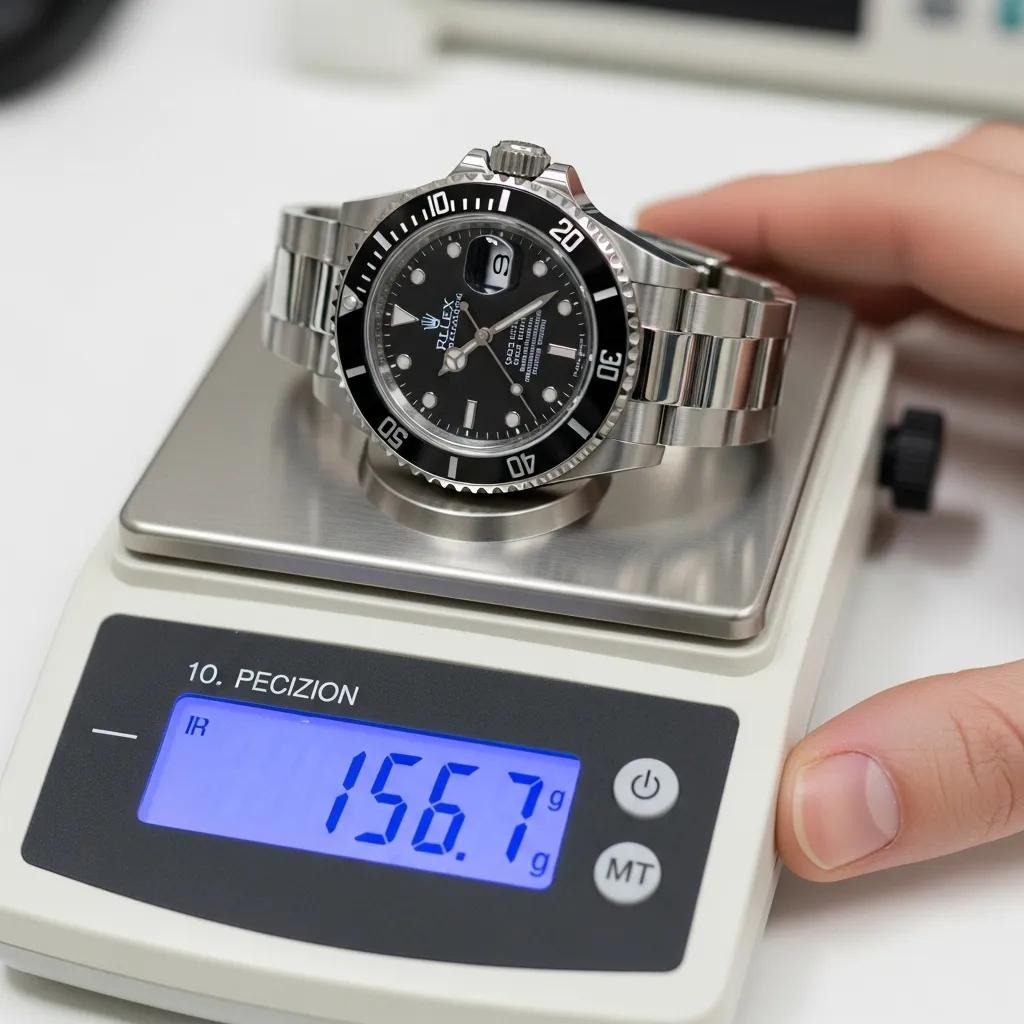
Using weight scales effectively can enhance the accuracy of authenticity verification. Here’s a step-by-step guide on how to use weight scales for replica detection:
- Choosing the Right Scale: Select a high-precision digital scale that can measure in grams. This ensures accurate readings for small weight differences.
- Step-by-Step Measurement Process: First, calibrate the scale according to the manufacturer’s instructions.Place the watch on the scale and record its weight.Compare the recorded weight with the known weight of the authentic model.
- Interpreting Weight Results: If the weight is significantly different from the expected range, further investigation is warranted. However, if the weight is close, additional verification methods should be employed.
Rolex Replica Market Trends 2026
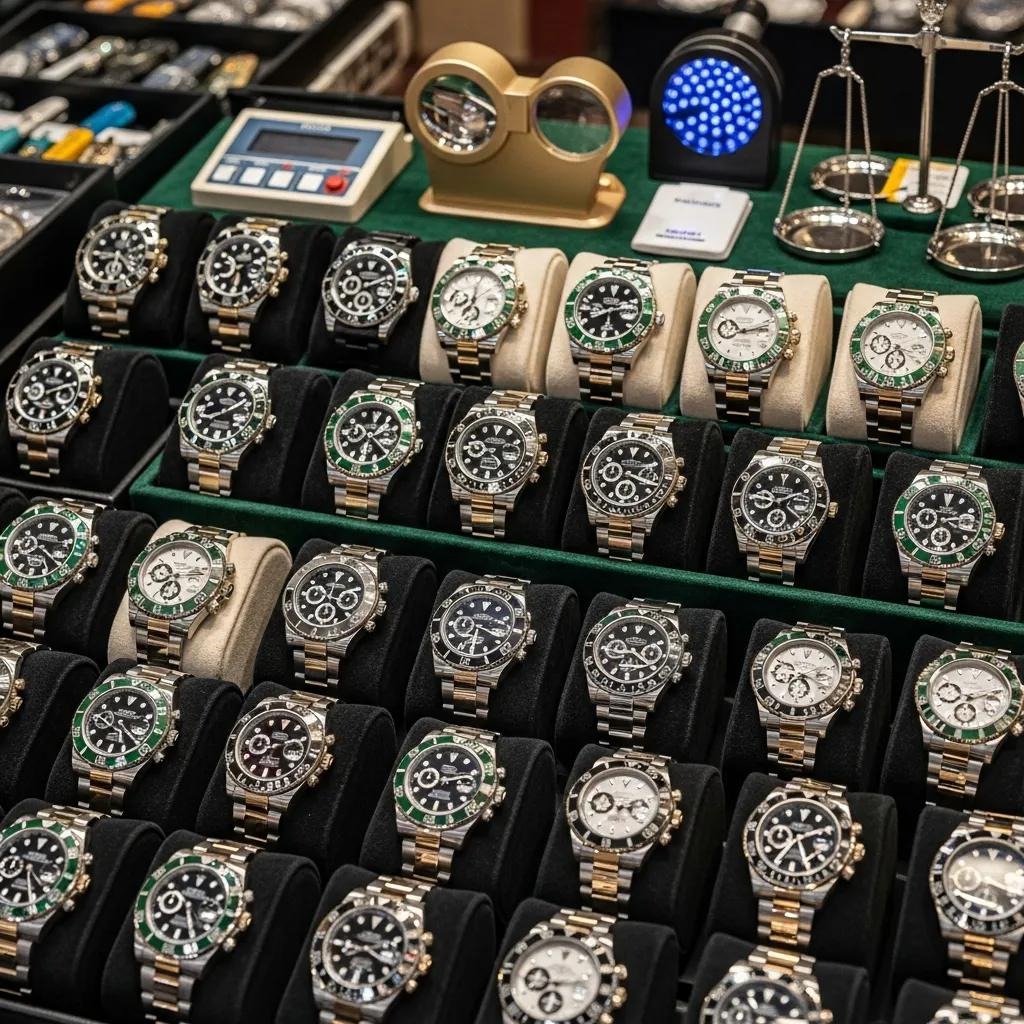
The replica watch market continues to evolve, with trends indicating a growing sophistication in counterfeit production. In 2026, the market for Rolex replicas is expected to expand, driven by advancements in technology and manufacturing processes. Consumers are becoming more aware of the nuances of authenticity, leading to a demand for more reliable verification methods. As a result, the importance of comprehensive testing methods, including weight tests, visual inspections, and material analysis, will become increasingly critical in the fight against counterfeit watches.
| Model Type | Authentic Weight (grams) | Replica Weight (grams) |
|---|---|---|
| Rolex Submariner | 1660 | 1650 |
| Rolex Daytona | 135 | 134 |
| Rolex Datejust | 150 | 148 |
This table illustrates the weight comparison between authentic and replica Rolex models, highlighting the subtle differences that can be crucial in authenticity verification.
For those interested in exploring high-quality alternatives, RepsGoat offers a variety of options. In conclusion, while the Rolex weight test can be a useful tool in identifying counterfeit watches, it should not be the sole method of verification. By understanding its limitations and combining it with other authenticity tests, collectors and enthusiasts can better protect themselves from counterfeit products. As the replica market continues to grow, staying informed about the latest trends and verification methods will be essential for anyone looking to invest in a genuine Rolex watch.