

- Watche Guides
- Comments:1
How Do I Know If My Rolex Is Real? 7 Easy Tests
For many luxury watch enthusiasts and collectors, the question how do I know if my Rolex is real is a critical one. With the market flooded by counterfeit models that can be alarmingly convincing, distinguishing an authentic Rolex from a fake can be challenging. This comprehensive guide will walk you through seven easy yet effective tests to verify the authenticity of your Rolex watch. By understanding the key features, serial number verification, weight and material assessments, and movement characteristics, you will be equipped to confidently assess your timepiece and avoid costly mistakes.
Whether you are a first-time buyer or a seasoned collector, knowing how to spot a fake Rolex is essential. This article not only covers traditional verification methods but also incorporates expert insights and real-world advice to help you make informed decisions about your luxury watch investment.
What Are the Key Features to Check in a Rolex Serial Number Verification?
The serial number on a Rolex watch is one of the most reliable indicators of authenticity. These numbers are unique to each watch and provide valuable information about the production date and model. Understanding how to verify these serial numbers is crucial for collectors and buyers alike, as counterfeit watches often feature fake or misplaced serial numbers.
Common mistakes when verifying serial numbers include overlooking their exact placement or misreading the digits, which can lead to misidentifying a counterfeit watch as genuine. Authentic Rolex serial numbers are precisely engraved and correspond to specific production years and models. For example, a serial number indicating a production year that does not match the watch’s design or features is a red flag.
Research shows that while serial number verification remains a traditional and trusted method, consumers increasingly desire digital tracking and home tests for authenticating luxury products. Blockchain-enabled authentication and online directories are emerging as innovative ways to track sales history and ownership, enhancing the verification process.
Authenticating Luxury Products: Serial Numbers & Home Tests
While both consumers and experts are aware of traditional, serial number-based approaches, blockchain-enabled ways of product authentication are only known by experts. However, both groups tend to prefer digital ways of authentication and agree that sellers, followed by producers, and lastly consumers are responsible for ensuring authentic products. Consumers desire many additional features for product authentication than experts. Most desired features include tracking the sales history via, e.g., the blockchain or online directories, the traceability of ownership, or the possibility to conduct home tests for consumers.
Methods to authenticate luxury products: Identifying key features and most recognized deficits, R Zimmermann, 2023
How to Locate and Interpret Rolex Serial Numbers
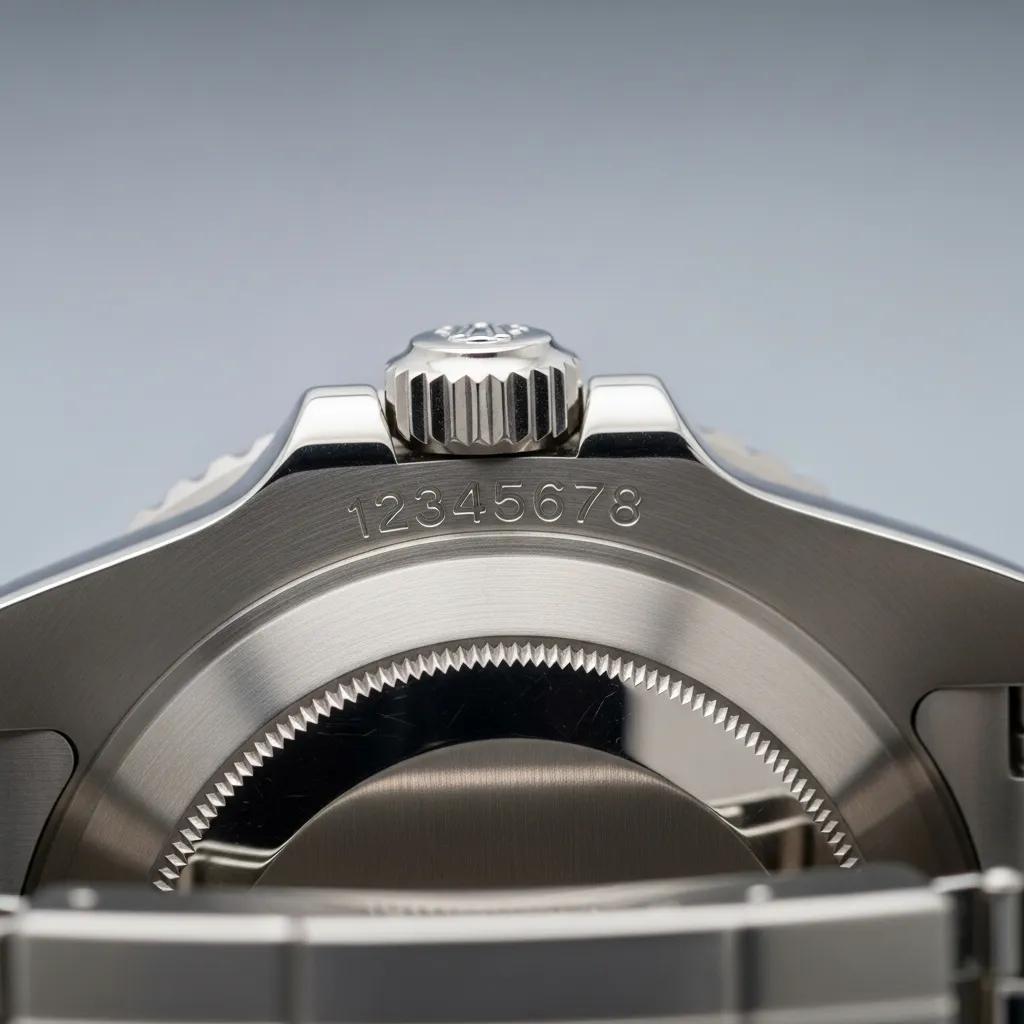
Locating the serial number on a Rolex watch is a fundamental step in verifying its authenticity. Typically, the serial number is engraved between the lugs on the side of the watch case, near the 6 o’clock position. To view it, you will need to carefully remove the bracelet using a simple tool designed for this purpose. It is important to handle the watch delicately to avoid damage.
Once located, interpreting the serial number involves cross-referencing it with known Rolex production year charts. This can confirm the watch’s age and model, providing a clear indication of authenticity. For example, a serial number starting with a certain letter or number corresponds to a specific year range. If the serial number does not match the expected production period for the model, it is likely a counterfeit.
For more detailed guidance on serial number verification and other authenticity checks, you can explore resources on how to know if Rolex is original, which offers definitive tests and expert advice.
What Differences Indicate a Fake Serial Number?
Fake serial numbers often exhibit telltale signs that can help you identify a counterfeit Rolex. These include:
- Incorrect Font Styles: Authentic Rolex engravings use a specific font that is crisp and consistent. Fake watches may have fonts that are too thick, thin, or uneven.
- Misaligned Engravings: The serial number should be perfectly aligned and centered. Misalignment or uneven spacing is a common sign of a fake.
- Inconsistent Production Dates: If the serial number indicates a production year that does not match the watch’s model or features, it is likely counterfeit.
Understanding these subtle differences is crucial for any potential buyer or collector. Paying close attention to the serial number’s quality and accuracy can save you from purchasing a fake Rolex.
How Can Weight and Material Tests Help in Spotting a Fake Rolex?
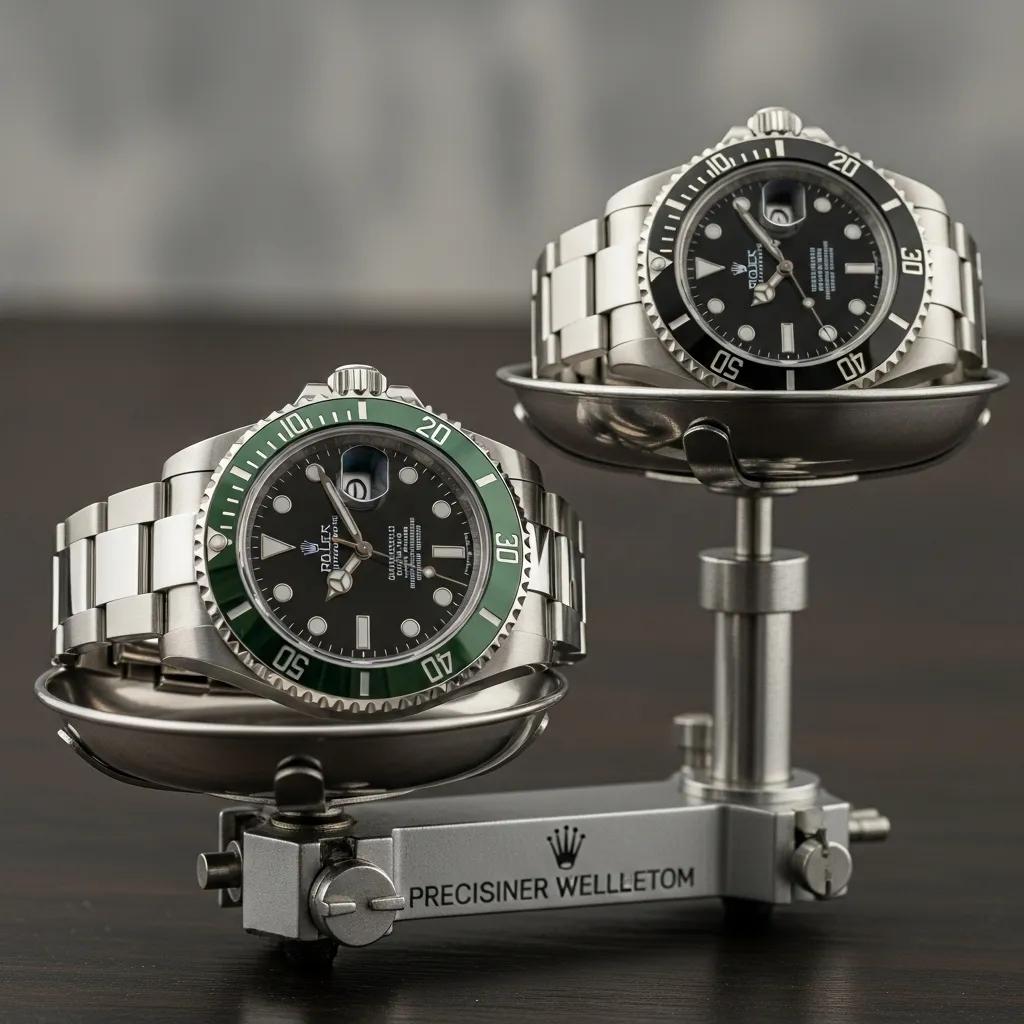
Weight and material tests are among the most straightforward and effective methods to determine if a Rolex is genuine. Authentic Rolex watches are crafted from high-quality, solid materials such as stainless steel, gold, and platinum, which give them a substantial weight. In contrast, counterfeit watches often use cheaper, lighter materials, resulting in a noticeably lighter feel.
For example, a genuine Rolex Submariner typically weighs around 150 grams, while a fake may weigh significantly less due to inferior materials. Holding the watch in your hand and comparing its weight to known authentic models can provide immediate clues about its authenticity.
While some buyers may be tempted by high-quality replica watches, it is important to understand the differences. For those interested, replica watches can offer options that closely mimic original designs, but they are not authentic Rolex timepieces.
Why Does Weight Matter in Rolex Authenticity?
The weight of a Rolex watch is a direct reflection of the quality of materials used in its construction. Authentic Rolex watches are made from solid metals like 904L stainless steel, 18k gold, or platinum, all of which contribute to their heft and durability. Counterfeit watches often use hollow or plated metals, which are lighter and less durable.
Understanding the expected weight range for specific Rolex models can help you assess authenticity. For instance, the Rolex Daytona and Submariner have well-documented weights that collectors and buyers can reference. If your watch feels unusually light or unbalanced, it may be a sign of a fake Rolex.
Which Materials Are Used in Genuine Rolex Watches?
Rolex is renowned for using premium materials that not only enhance the watch’s appearance but also ensure longevity and value retention. The primary materials include: fake rolex oyster perpetual.
- Stainless Steel (904L): Known for its exceptional resistance to corrosion and scratches, this high-grade steel is heavier and more durable than standard stainless steel used in many other watches.
- Gold: Rolex uses 18k gold in yellow, white, and rose variants, all crafted in-house to ensure purity and quality.
- Platinum: Used in select high-end models, platinum offers a distinctive weight and luster.
- Ceramic: Employed in bezels for its scratch resistance and aesthetic appeal, ceramic is virtually impervious to fading and wear.
Recognizing these materials and their quality can aid significantly in distinguishing real Rolex watches from fakes.
What Dial and Bezel Inspection Tips Reveal Real Vs Fake Rolex Differences?
Examining the dial and bezel closely can reveal important clues about a Rolex’s authenticity. Here are some key inspection tips:
- Dial Markings: Authentic Rolex dials feature precise, clean, and perfectly aligned markings. The text is sharp, with no smudges or inconsistencies. Counterfeit dials often have blurry or uneven text.
- Bezel Quality: Genuine bezels are crafted from high-quality materials and have a smooth, even finish. The numbers and markers on the bezel are engraved or embossed with precision. Fake bezels may show signs of poor craftsmanship, such as uneven edges or faded markings.
- Luminous Markers: Authentic Rolex watches use high-grade luminescent material that glows brightly and evenly in the dark. Fakes often have dim or uneven luminescence.
By paying attention to these details, you can better assess the authenticity of your Rolex and avoid common pitfalls.
How Do Movement and Sound Tests Confirm Rolex Authenticity?
The movement inside a Rolex watch is one of its most distinctive features. Genuine Rolex watches are equipped with high-quality mechanical movements that provide a smooth, sweeping second hand motion, unlike the ticking motion seen in many counterfeit watches.
Listening to the sound of the watch can also be revealing. Authentic Rolex watches produce a soft, consistent ticking sound that is difficult to replicate. In contrast, many fake watches have louder or irregular ticking noises due to inferior movement components.
For those interested in learning more about the internal mechanics and how to spot discrepancies, resources on how to spot a fake Rolex provide expert tell-tale signs and detailed explanations.
What Movement Characteristics Are Unique to Real Rolex Watches?
Real Rolex watches possess several unique movement characteristics that set them apart from counterfeit models:
- Perpetual Movement: Rolex uses self-winding mechanical movements that harness energy from the wearer’s wrist motion, eliminating the need for batteries.
- Chronometer Certification: Many Rolex models are certified chronometers, meaning they have passed rigorous precision and accuracy tests conducted by the Swiss Official Chronometer Testing Institute (COSC).
- Parachrom Hairspring: Some models feature a proprietary hairspring that enhances resistance to shocks and temperature variations.
Understanding these features can help you identify genuine Rolex watches and avoid counterfeits.
How Can Sound Tests Detect Counterfeit Rolex Movements?
Sound tests are a practical way to detect counterfeit Rolex movements. Authentic Rolex watches produce a soft, almost inaudible ticking sound due to their high-beat movement, which typically beats at 28,800 vibrations per hour. This results in a smooth sweep of the second hand.
Fake Rolex watches often use quartz or low-quality mechanical movements that produce a louder, more pronounced ticking sound. By holding the watch close to your ear in a quiet environment, you can listen for these differences. A loud or irregular tick is a strong indicator of a fake.
Additional Tips for Buyers: How Much Does a Fake Rolex Cost and What to Watch For
Understanding the market value of fake Rolex watches can also help buyers avoid scams. Fake Rolexes vary widely in price, from inexpensive models costing under $100 to high-quality replicas that can cost several thousand dollars. For detailed insights, see the analysis on how to check if a Rolex is authentic.
When purchasing a Rolex, always buy from reputable dealers or directly from the Rolex official site to ensure authenticity. Be wary of deals that seem too good to be true, as they often are. Additionally, educating yourself on best replica Rolex watches can provide perspective on how convincing some replicas can be, helping you sharpen your detection skills.
How Do I Know If My Rolex Is Real? Summary of the 7 Easy Tests
To recap, here are the seven easy tests to determine if your Rolex is real:
- Serial Number Verification: Locate and verify the serial number against known production dates and models.
- Weight and Material Assessment: Check the watch’s weight and materials for authenticity.
- Dial and Bezel Inspection: Examine the quality of dial markings and bezel craftsmanship.
- Movement and Sound Test: Observe the second hand’s motion and listen to the ticking sound.
- Font and Engraving Quality: Inspect the font style and engraving alignment on the watch.
- Luminous Markers Check: Test the brightness and consistency of the luminescent markers.
- Purchase Source Verification: Always buy from authorized dealers or trusted sources.
By applying these tests, you can confidently answer the question how do I know if my Rolex is real and protect your investment.
Frequently Asked Questions
How do I know if my Rolex is real by the serial number?
You can verify your Rolex’s authenticity by locating the serial number, usually engraved between the lugs at the 6 o’clock position. Cross-reference this number with official Rolex production year charts to confirm the watch’s age and model. Authentic serial numbers are precisely engraved with consistent font and alignment. Any discrepancies in font style, placement, or production date correlation may indicate a fake.
Can a jeweler tell if my Rolex is fake?
Yes, experienced jewelers and watchmakers can often identify counterfeit Rolex watches by examining the watch’s materials, movement, serial numbers, and craftsmanship. They have the tools and expertise to open the case and inspect the internal movement, which is one of the most definitive ways to confirm authenticity.
What is the easiest way to spot a fake Rolex at home?
The easiest home test includes checking the weight of the watch, observing the smoothness of the second hand’s sweep, and inspecting the dial and bezel for quality. Authentic Rolex watches feel substantial, have a smooth sweeping second hand, and feature precise dial markings. Listening for a soft ticking sound and verifying the serial number are also effective home tests.
Do fake Rolexes tick or sweep?
Most fake Rolex watches have a ticking second hand that moves in distinct steps, unlike genuine Rolex watches, which have a smooth sweeping second hand due to their high-quality mechanical movements. The ticking sound of a fake is often louder and more irregular compared to the soft, consistent sound of an authentic Rolex.
Is it illegal to own a fake Rolex?
Owning a fake Rolex is generally not illegal in many countries, but selling or distributing counterfeit watches is illegal and can result in severe penalties. It is important to be aware of local laws regarding counterfeit goods. Additionally, purchasing fake watches supports illegal manufacturing and can have ethical and legal implications.