

- Watche Guides
- Comments:1
How to Tell If Your Rolex Is Real: Owner's Complete Guide
Determining how to tell if your Rolex is real can be a challenging endeavor for many owners and potential buyers. With the increasing sophistication of counterfeit products, knowing how to identify a genuine Rolex is essential to protect your investment. This comprehensive guide will provide you with detailed knowledge to distinguish authentic Rolex watches from replicas, focusing on key features, design elements, and verification methods. By the end of this article, you will be equipped to confidently assess the authenticity of a Rolex watch, safeguarding yourself against potential fraud. We will explore essential characteristics of authentic Rolex watches, how to recognize genuine parts, and the importance of serial number verification.
What Are the Key Authentic Rolex Features to Identify?
Identifying the key features that distinguish authentic Rolex watches is crucial for any owner. Genuine Rolex watches exhibit specific characteristics that are difficult to replicate. Here are some of the most important features to look for:
- Rolex Logo Details: The Rolex crown logo should be finely detailed and perfectly aligned. Any inconsistencies in the logo’s design can indicate a counterfeit.
- Weight and Materials Used: Authentic Rolex watches are made from high-quality materials, making them heavier than most replicas. The weight can be a significant indicator of authenticity.
- Movement Quality: Rolex watches are known for their precise movements. A genuine Rolex will have a smooth sweeping second hand, while fakes often exhibit a ticking motion.
| Feature | Description | Authenticity Indicator |
|---|---|---|
| Logo | Detailed and aligned crown | Genuine Rolex |
| Weight | Heavier due to quality materials | Genuine Rolex |
| Movement | Smooth sweeping second hand | Genuine Rolex |
These features are critical in distinguishing a real Rolex from a fake, and understanding them can significantly enhance your ability to authenticate your watch. For more detailed insights on how to spot a fake Rolex, consider exploring expert tell-tale signs that can help you avoid counterfeit purchases.
How to Recognize Genuine Rolex Watch Parts and Design Elements
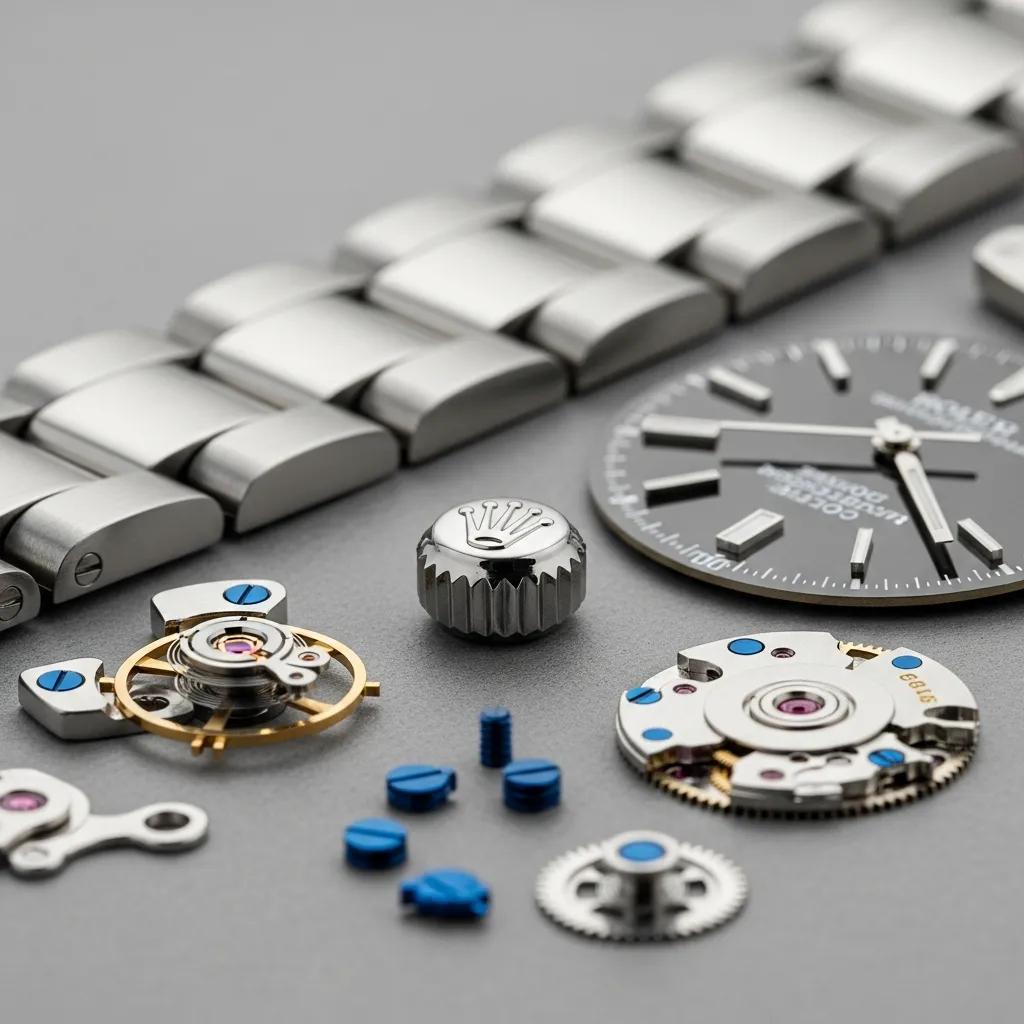
Recognizing the specific parts and design elements of authentic Rolex watches is vital for verification. Each component of a Rolex is crafted with precision and care, contributing to its overall quality and performance. Here are some key elements to examine:
- Crown Design: The crown should have a distinct shape and engraving. Authentic crowns are often more intricate than those found on replicas.
- Dial Markings: Genuine Rolex dials feature specific fonts and spacing. Any discrepancies in these details can indicate a counterfeit.
- Bracelet Quality: The bracelet should feel solid and well-made, with no loose links or cheap materials.
What Distinguishes Real Rolex Crowns, Bezels, and Dials?
The unique characteristics of Rolex crowns, bezels, and dials are essential for authentication. Each component has specific attributes that set it apart from replicas:
- Material Differences: Authentic Rolex crowns and bezels are made from high-quality metals, often gold or stainless steel, which are heavier and more durable.
- Engraving Quality: The engravings on genuine Rolex watches are sharp and precise, while counterfeit models often have poorly executed engravings.
- Weight Comparison: Genuine Rolex watches have a substantial weight due to their high-quality materials, making them feel more robust than fakes.
To deepen your understanding of authenticity, you might want to read about how to know if Rolex is original, which offers definitive tests to confirm genuineness.
How to Perform a Rolex Serial Number Check for Authenticity?
Performing a Rolex serial number check is a crucial step in verifying authenticity. The serial number can provide valuable information about the watch’s production date and model. Here’s how to check it:
- Where to Find the Serial Number: The serial number is typically located between the lugs on the side of the watch case. You may need to remove the bracelet to access it.
- How to Verify It: Once you locate the serial number, you can cross-reference it with Rolex databases or authorized dealers to confirm its authenticity.
- Common Serial Number Patterns: Familiarize yourself with the serial number patterns used by Rolex, as these can help identify the watch’s age and model.
For those looking to purchase a Rolex, understanding the serial number’s significance is essential. It not only confirms authenticity but also provides insight into the watch’s history. Additionally, if you are curious about the market, learning how much does a fake Rolex cost can help you understand the counterfeit market better.
Where to Locate and Verify Rolex Serial Numbers Accurately
Locating and verifying Rolex serial numbers accurately is vital for authentication. Here are some tips to ensure you do it correctly:
- Common Locations for Serial Numbers: As mentioned, the serial number is usually found between the lugs. Additionally, some models may have the number engraved on the rehaut (the inner bezel).
- Verification Resources: Utilize online resources or contact authorized Rolex dealers for assistance in verifying the serial number.
- Online Tools: There are various online tools available that can help you check the authenticity of a Rolex based on its serial number.
What Are Common Serial Number Signs of Fake Rolex Watches?
Identifying signs that indicate a fake Rolex based on serial numbers is crucial for potential buyers. Here are some common indicators:
- Missing Serial Numbers: Genuine Rolex watches always have a serial number. If it’s missing, it’s likely a fake.
- Incorrect Formats: Familiarize yourself with the correct serial number formats used by Rolex. Any deviations can be a red flag.
- Inconsistencies with Production Dates: Cross-check the serial number with Rolex’s production date records. If the dates don’t match, the watch may be counterfeit.
What Are the Most Common Signs to Spot a Fake Rolex Watch?
Spotting common indicators of counterfeit Rolex watches can save you from making a costly mistake. Here are some signs to look for:
- Weight Discrepancies: If the watch feels too light, it may be a fake. Authentic Rolex watches are made from high-quality materials, contributing to their weight.
- Movement Sound: Genuine Rolex watches have a smooth movement. If you hear ticking, it’s likely a counterfeit.
- Quality of Materials: Inspect the materials used in the watch. Cheap metals or plastics are a clear sign of a fake.
For a comprehensive guide on how to spot a fake Rolex, including subtle details that counterfeiters often miss, this resource is invaluable.
How to Detect Counterfeit Engravings and Poor Craftsmanship
Detecting counterfeit engravings and poor craftsmanship is essential for verifying a Rolex’s authenticity. Here’s what to look for:
- Engraving Quality: Authentic Rolex engravings are sharp and precise. If the engraving appears fuzzy or poorly done, it’s likely a fake.
- Craftsmanship Details: Examine the overall craftsmanship of the watch. Genuine Rolex watches exhibit exceptional attention to detail.
- Material Analysis: Authentic Rolex watches are made from high-quality materials. If the watch feels cheap or flimsy, it may be a counterfeit.
Which Authentication Methods Help Identify Sophisticated Fake Rolex Models?
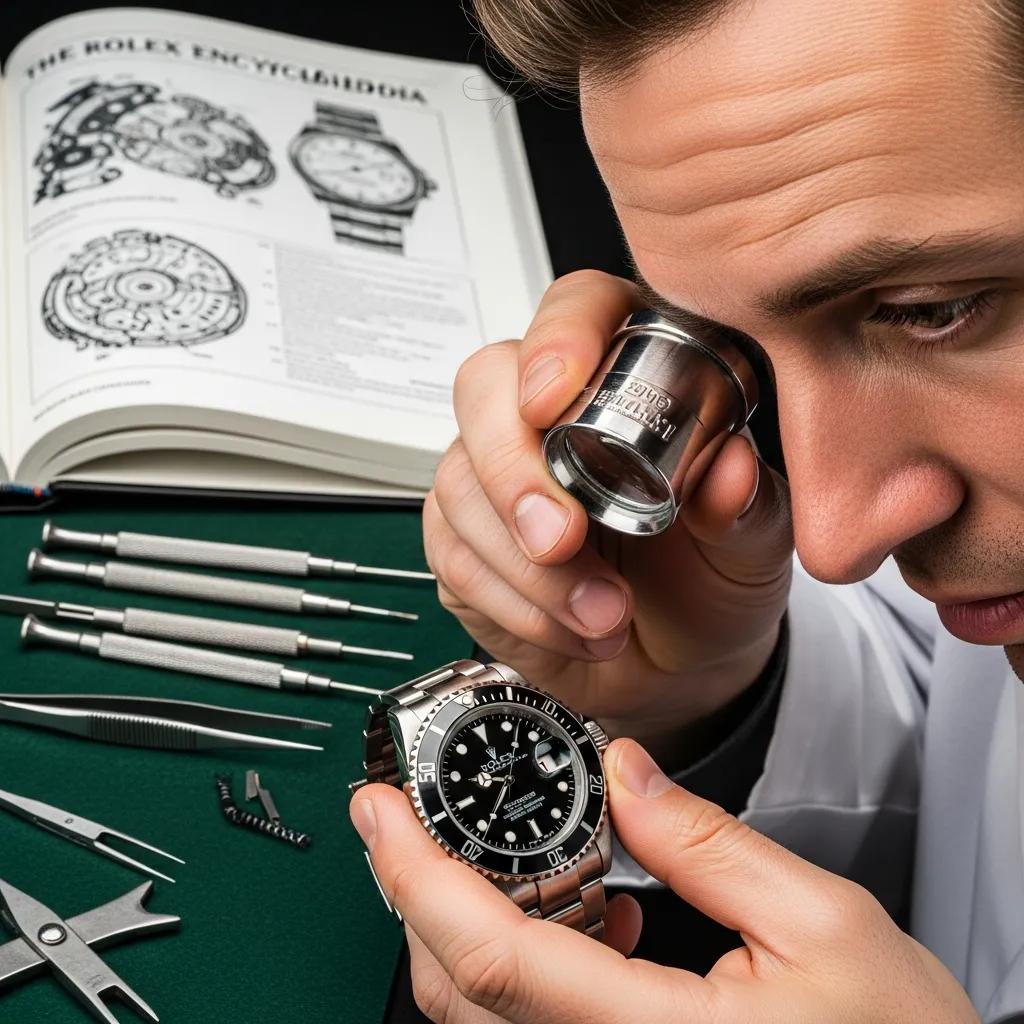
Various authentication methods can help identify sophisticated fake Rolex models. Here are some effective approaches:
- Expert Appraisals: Consulting with a watch expert can provide valuable insights into the authenticity of a Rolex.
- Use of Technology: Advanced technology, such as x-ray analysis, can reveal hidden features that are often overlooked.
- Community Resources: Engaging with watch enthusiast communities can provide additional resources and knowledge for authentication.
One such technological method, X-ray fluorescence (XRF) screening, is particularly effective for analyzing the elemental composition of watch parts and identifying inconsistencies. This method can detect subtle differences in metal composition that counterfeiters often cannot replicate.
XRF Screening for Counterfeit Watch Parts
logos and trademarks on the different watch parts. Seizure information, First, X-ray fluorescence (XRF) was used as a screening
Elemental analysis for profiling counterfeit watches, P Esseiva, 2019
Beyond specific watch components, X-ray techniques offer a broad range of forensic applications, providing detailed material analysis crucial for authenticating various items, including luxury watches.
Forensic X-Ray Techniques for Material Authentication
X-rays are essential in forensic science, providing valuable insights into a wide range of evidence crucial for criminal investigations and legal proceedings. They are used to examine art and historical artefacts, uncovering underdrawings and repairs. X-rays also help detect hidden/concealed objects, analyse gunshot residues, and inspect oversized items or structures. In post-mortem imaging, they offer detailed insights into internal injuries and foreign bodies. Various specialized X-ray techniques, such as X-ray diffraction (XRD), X-ray fluorescence (XRF), and particle-induced X-ray emission (PIXE), have been developed for forensic analysis. These techniques allow for detailed material analysis at the elemental and structural levels. XRD is used to identify crystalline substances, making it valuable for analysing drug samples, explosives, and fibres. XRF and its variants (WDXRF, EDXRF, TXRF) are powerful for non-destructive elemental analysis and are helpful in examining paint, glass, metals, and soil samples. PIXE provides sensitive elemental analysis, particularly for detecting trace elements in forensic samples. This review paper provides a comprehensive overview of the use of X-rays in forensic science.
Forensic Applications of X-Rays: An Overview, N Kapoor, 2025
Where Can You Authenticate Your Rolex and Get Expert Verification?
Finding resources for authenticating Rolex watches is crucial for ensuring your investment is genuine. Here are some options:
- Authorized Dealers: Visiting an authorized Rolex dealer is one of the most reliable ways to authenticate your watch. For official information and verification, you can also visit the Rolex official site.
- Online Services: Several online platforms offer authentication services for Rolex watches, providing expert verification.
- Local Watchmakers: Many local watchmakers have the expertise to authenticate Rolex watches and can provide valuable insights.
What Are Trusted Locations and Services for Rolex Authentication?
When seeking trusted services for Rolex authentication, consider the following options:
- Reputable Watch Services: Look for watch services with a strong reputation in the industry for authenticating luxury watches.
- Online Verification Platforms: Utilize online platforms that specialize in watch authentication, ensuring they have positive reviews and a solid track record.
- Community Recommendations: Engage with watch enthusiast communities to gather recommendations for trusted authentication services.
How Expert Appraisals and Industry Reports Support Rolex Verification
Expert appraisals play a significant role in Rolex verification. Here’s how they contribute:
- Importance of Expert Opinions: Expert appraisals provide an authoritative assessment of a watch’s authenticity, helping buyers make informed decisions.
- Industry Standards: Understanding industry standards for Rolex watches can help identify discrepancies in counterfeit models.
- Recent Trends in Counterfeiting: Staying informed about recent trends in counterfeiting can enhance your ability to spot fakes.
By following these guidelines and utilizing the resources available, you can confidently determine the authenticity of your Rolex watch, ensuring that your investment is protected. If you are interested in exploring replica watches or want to know more about the market, there are top picks available for those curious about best replica Rolex watches.
How to Tell If Your Rolex Is Real: Essential Tips and Techniques
Understanding how to tell if your Rolex is real involves a combination of examining physical features, verifying serial numbers, and consulting expert resources. Authentic Rolex watches are renowned for their craftsmanship, precision, and use of premium materials. By carefully inspecting the watch’s weight, movement, engravings, and serial number, you can make an informed judgment about its authenticity. Additionally, leveraging expert appraisals and technological methods such as XRF screening can provide further assurance. Remember, counterfeiters are becoming increasingly sophisticated, so staying informed and vigilant is key to protecting your investment.
Frequently Asked Questions
How do I know if my Rolex is real by the serial number?
You can verify your Rolex’s authenticity by locating the serial number, usually found between the lugs or on the inner bezel (rehaut). Once found, cross-reference the serial number with official Rolex production date records or authorized dealer databases. Genuine serial numbers follow specific formats and correspond to known production years. Any missing, incorrect, or inconsistent serial numbers are strong indicators of a counterfeit watch.
Can a jeweler tell if my Rolex is fake?
Yes, experienced jewelers and watchmakers can often identify fake Rolex watches by examining the craftsmanship, movement, materials, and serial numbers. They have the tools and expertise to detect subtle differences in engraving quality, weight, and internal components that are not visible to the untrained eye. Consulting a reputable jeweler is a reliable step in authenticating your Rolex.
What is the easiest way to spot a fake Rolex at home?
The easiest way to spot a fake Rolex at home is by checking the movement of the second hand. Authentic Rolex watches have a smooth sweeping motion, while most fakes tick distinctly. Additionally, you can assess the weight of the watch—genuine Rolexes feel heavier due to high-quality materials. Inspecting the logo details and dial markings for precision can also help identify counterfeits.
Do fake Rolexes tick or sweep?
Fake Rolex watches typically have a ticking second hand that moves in distinct steps, unlike genuine Rolex watches, which have a smooth sweeping second hand due to their high-quality mechanical movements. This difference in movement is one of the most noticeable signs when distinguishing real Rolexes from fakes.
Is it illegal to own a fake Rolex?
Owning a fake Rolex is generally not illegal in many countries; however, selling, distributing, or importing counterfeit watches is illegal and can result in severe penalties. It is important to be aware of local laws regarding counterfeit goods. Purchasing and owning replica watches for personal use may be legal, but it is always best to verify the regulations in your jurisdiction.