

- Watche Guides
- Comments:1
Rolex Original vs Fake: The Ultimate Guide to Identifying Authentic Rolex Watches
When it comes to luxury timepieces, few names carry the prestige and recognition of Rolex. However, the market is flooded with counterfeit models, making the distinction between a Rolex original vs fake more critical than ever. Whether you are a seasoned collector or a first-time buyer, understanding the subtle and overt differences between an authentic Rolex and a counterfeit is essential to protect your investment and ensure you own a genuine piece of horological art.
This comprehensive guide will explore the key physical and mechanical differences that define a Rolex original vs fake, including case finish, dial printing, movement, weight, crown, caseback, serial numbers, and documentation. We will also provide practical advice on how to verify authenticity, highlight common signs of counterfeit watches, and offer expert tips for buyers. By the end of this article, you will be equipped with the knowledge to confidently distinguish a genuine Rolex from a fake and make informed purchasing decisions.
Key Features That Distinguish a Rolex Original vs Fake
Rolex watches are renowned for their meticulous craftsmanship, precision engineering, and use of premium materials. These qualities manifest in several key features that can help differentiate an original Rolex from a fake.
Case Finish and Material Quality
One of the most noticeable differences between a Rolex original vs fake lies in the case finish and materials used. Authentic Rolex watches are crafted from high-grade materials such as 904L stainless steel, 18k gold, or platinum. The 904L steel is particularly prized for its exceptional resistance to corrosion and its ability to take on a superior polish, resulting in a lustrous and durable finish.
Counterfeit watches often use lower-grade metals that feel lighter and lack the refined finish of genuine Rolex cases. The edges on a real Rolex case are crisp and well-defined, while fakes may have rough or uneven edges. The brushing and polishing on an authentic Rolex are executed with precision, creating a seamless transition between surfaces.
Dial Printing and Markings
The dial of a Rolex is a masterpiece of detail and clarity. Authentic Rolex dials feature perfectly aligned text, crisp fonts, and consistent spacing. The printing is sharp, with no smudges or unevenness. The hour markers are precisely placed and often made from precious metals to prevent tarnishing.
In contrast, fake Rolex dials may exhibit misaligned text, blurry printing, or inconsistent fonts. The lume (luminescent material) on genuine Rolex watches glows brightly and evenly in low light, whereas counterfeit models often have uneven or weak lume.
Weight and Feel
Due to the use of premium materials, genuine Rolex watches have a substantial weight that conveys quality and durability. When holding a Rolex original vs fake, the authentic watch feels solid and well-balanced. Fakes tend to be lighter because of cheaper metals and hollow components.
Crown and Logo Details
The Rolex crown logo is a hallmark of authenticity. On genuine models, the crown is finely detailed, symmetrical, and perfectly aligned. The winding crown operates smoothly, with precise threading and a secure screw-down mechanism that ensures water resistance.
Fake Rolex watches often have crowns that are poorly detailed, misaligned, or feel loose when operated. The engraving of the crown logo on the winding crown may be shallow or uneven.
Caseback Design
Most authentic Rolex watches feature a smooth, plain caseback without engravings or transparent windows. Exceptions exist, such as some vintage models or special editions, but generally, a clear or engraved caseback is a red flag.
Counterfeit watches frequently have engraved or transparent casebacks to mimic other luxury brands, which is inconsistent with Rolex’s traditional design.
Rolex Serial Numbers and Documentation: Verifying Authenticity
The serial number is a vital tool in distinguishing a Rolex original vs fake. Each Rolex watch has a unique serial number engraved between the lugs on the side of the case, which can be cross-referenced with Rolex’s production records to verify the watch’s authenticity and production year.
Authentic serial numbers are finely engraved and consistent in depth and font. Fake watches may have poorly etched or inconsistent serial numbers that appear shallow or uneven.
Alongside the serial number, genuine Rolex watches come with official documentation, including a warranty card, certificate of authenticity, and original purchase receipts. These documents should match the watch’s serial number and model details.
When purchasing, always request to see the original paperwork and verify the serial number with authorized Rolex retailers or trusted databases. This step is crucial to avoid counterfeit purchases.
Understanding Rolex Movements: The Heart of Authenticity
The movement inside a Rolex watch is arguably the most telling sign of authenticity. Rolex uses in-house, self-winding mechanical movements known for their precision, reliability, and smooth operation. These movements feature a sweeping second hand that moves fluidly without the ticking motion seen in quartz watches.
Fake Rolex watches often use inexpensive quartz movements or poorly made mechanical movements that produce a ticking second hand. The difference in movement is noticeable upon close inspection or by listening carefully.
Genuine Rolex movements are also decorated and finished to high standards, with features such as the Parachrom hairspring and Perpetual rotor. These technical details are difficult to replicate and require expert knowledge to verify.
Visual and Material Differences: How to Spot a Fake Rolex
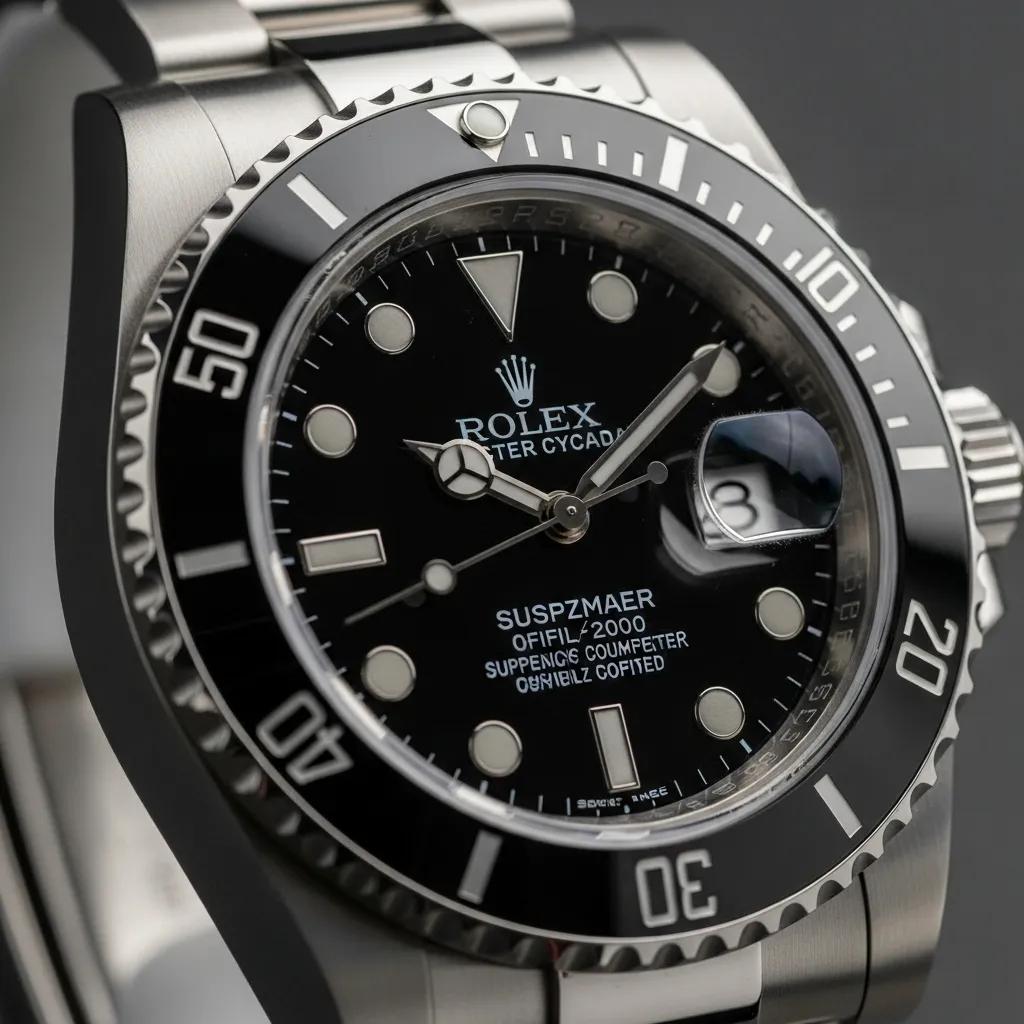
Examining the visual and material aspects of a Rolex watch can reveal telltale signs of authenticity or counterfeit. Genuine Rolex watches use 904L stainless steel, which is more resistant to corrosion and has a distinct sheen compared to the 316L steel commonly used in replicas.
Advanced techniques like X-ray fluorescence (XRF) spectroscopy can analyze the elemental composition of the watch materials, providing forensic evidence of authenticity. Such methods are typically used by experts and collectors to confirm the genuineness of high-value watches.
The cyclops lens over the date window is another key feature. Authentic Rolex models magnify the date by 2.5 times, making it easy to read. Fake watches often have weaker magnification or distorted lenses.
Common Signs and Techniques to Identify Fake Rolex Watches
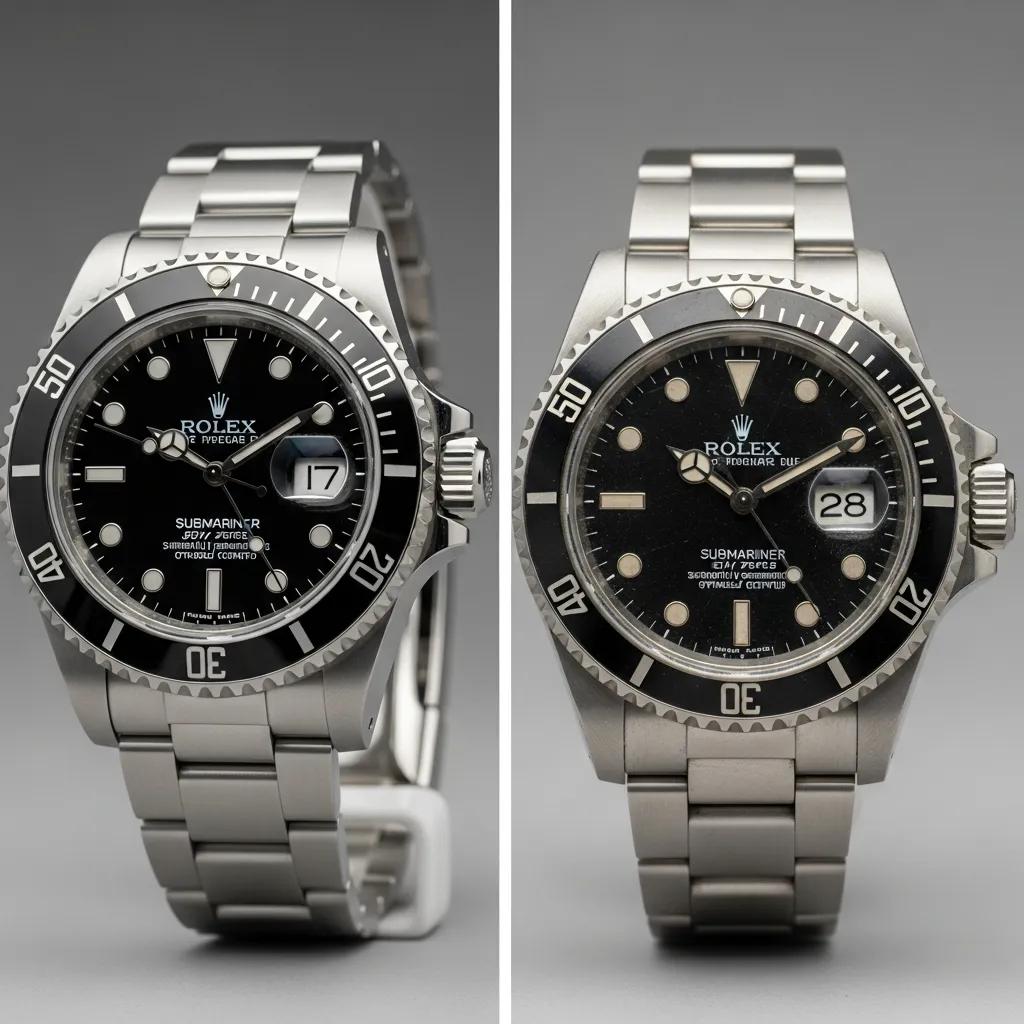
Learning how to spot a fake Rolex involves recognizing several common signs:
- Weight: Fakes are often lighter due to inferior materials.
- Engravings: Authentic Rolex engravings are sharp and clear; fakes may be blurred or shallow.
- Movement: Genuine Rolex watches have a smooth sweeping second hand; fakes often tick.
- Logo: The Rolex crown logo should be perfectly detailed and aligned.
- Date Wheel: The date should be centered and magnified correctly by the cyclops lens.
- Case Back: Most authentic Rolex watches have a smooth caseback without engravings.
Additional verification techniques include professional appraisals by certified watchmakers, checking original documentation, and using online databases to verify serial numbers.
Which Fake Rolex Features Are Most Frequently Found?
Counterfeit Rolex watches commonly exhibit several telltale features that distinguish them from originals. These include the use of cheaper metals that lack the weight and feel of genuine Rolex materials, misaligned or poorly detailed logos, and subpar craftsmanship.
Advanced elemental analysis methods, such as those described in forensic studies, can detect these material discrepancies. Recognizing these common features is essential for anyone interested in the best replica Rolex watches or seeking to avoid counterfeit products.
How Does Movement Type Affect Rolex Original vs Fake Identification?
The type of movement inside a Rolex watch is a critical factor in determining authenticity. Genuine Rolex watches feature high-quality, self-winding mechanical movements that are meticulously engineered for precision and durability.
In contrast, many fake Rolex watches use quartz movements, which are less expensive and produce a ticking second hand rather than the smooth sweep characteristic of Rolex originals. Understanding these differences can help buyers identify counterfeit watches more effectively.
Best Practices for Rolex Watch Verification
To ensure you are purchasing a genuine Rolex, follow these best practices:
- Research: Study the specific model’s features, specifications, and known characteristics.
- Inspect: Examine the watch carefully for key authenticity markers such as case finish, dial printing, movement, and serial numbers.
- Consult Experts: Seek advice from certified watchmakers or professional appraisers specializing in Rolex watches.
- Verify Documentation: Request original paperwork and cross-check serial numbers with official records.
- Use Authorized Retailers: Purchase from official Rolex retailers or trusted dealers to minimize risk.
For those interested in exploring alternatives, the market for shop replica watches offers options, but it is crucial to understand the differences and risks involved.
Using Official Retailers and Serial Number Checks for Verification
Authorized Rolex retailers provide a reliable avenue for verifying the authenticity of a watch. They can offer detailed information about the watch’s history, service records, and authenticity.
Performing a serial number check involves locating the serial number on the watch and comparing it with Rolex’s official production records. This process confirms the watch’s production year and authenticity. For more information on this process, visit the official Rolex website.
Why Expert Authentication Is Essential for Rolex Watches
Due to the sophistication of counterfeit Rolex watches, expert authentication is highly recommended. Professionals have the experience and tools necessary to detect subtle differences that may elude the average buyer.
Expert authentication not only ensures the watch’s authenticity but also provides peace of mind, safeguarding your investment. Whether purchasing a new or pre-owned Rolex, consulting an expert is a crucial step.
Comparing Authentic vs Fake Rolex Features
| Feature | Authentic Rolex | Fake Rolex |
|---|---|---|
| Weight | Heavier due to quality materials | Lighter, often made from inferior metals |
| Engravings | Sharp and clear | Poorly executed, often blurred |
| Movement | Smooth, self-winding mechanical | Ticking, often quartz |
| Case Finish | Flawless, polished and brushed surfaces | Rough edges, uneven finish |
| Dial Printing | Crisp, perfectly aligned text | Blurry, misaligned text |
| Crown Logo | Detailed, symmetrical, precise | Shallow, misaligned, poorly detailed |
| Caseback | Plain, smooth (usually no engravings) | Engraved or transparent, inconsistent |
Popular Rolex Models and Their Replica Challenges
Some Rolex models are more frequently replicated than others due to their popularity and iconic status. The replica Rolex Submariner is a prime example, often requiring careful scrutiny to verify authenticity. Similarly, the fake Rolex Datejust is commonly counterfeited, with subtle differences in dial details and movement quality.
For those interested in high-quality alternatives, exploring the best quality fake Rolex options can provide insight into the replica market, but it is essential to understand the distinctions from genuine Rolex watches.
Frequently Asked Questions
How can I tell a Rolex original vs fake?
To distinguish a Rolex original vs fake, examine key features such as the weight, case finish, dial printing, movement, crown logo, and serial numbers. Authentic Rolex watches have a smooth sweeping second hand, sharp engravings, and use premium materials like 904L stainless steel. Additionally, verifying documentation and consulting experts can help confirm authenticity.
What are the key physical differences between a real and fake Rolex?
Key physical differences include the quality of the case finish, the clarity and alignment of dial printing, the weight and feel of the watch, the precision of the crown logo, and the design of the caseback. Genuine Rolex watches have flawless finishes, perfectly aligned text, and smooth casebacks, while fakes often show rough edges, blurry printing, and engraved or transparent casebacks.
How do the movements differ between authentic and fake Rolex watches?
Authentic Rolex watches use in-house, self-winding mechanical movements with a smooth sweeping second hand. Fake Rolex watches often use quartz movements that produce a ticking second hand. The craftsmanship and decoration of genuine Rolex movements are also superior and difficult to replicate.
What are the price differences between original and fake Rolex watches?
Original Rolex watches command premium prices due to their craftsmanship, materials, and brand prestige, often costing thousands to tens of thousands of dollars. Fake Rolex watches are significantly cheaper, with prices varying widely depending on quality. For insight into replica pricing, see how much does a fake Rolex cost.
Are Rolex replicas worth buying?
Rolex replicas can offer the aesthetic appeal of a Rolex at a fraction of the cost, but they lack the quality, durability, and prestige of genuine watches. For those interested in replicas, researching the best replica Rolex watches and understanding their limitations is important. Ultimately, purchasing a genuine Rolex is recommended for collectors and serious buyers.