

- Watche Guides
- Comments:1
Rolex Second Hand Test: How to Spot Fake Rolexes Using the Sweep Test
The Rolex sweep test is a crucial method for identifying counterfeit Rolex watches, particularly in the second-hand market. This test focuses on the movement of the second hand, which is a defining characteristic of genuine Rolex timepieces. Many buyers face the challenge of distinguishing between authentic and fake Rolexes, especially when purchasing second-hand models. This article will guide you through the intricacies of the Rolex sweep test, explaining its importance, how to perform it, and the common signs that indicate a fake Rolex. By understanding these elements, you can make informed decisions when buying luxury watches, ensuring that your investment is genuine.
The challenge of verifying authenticity in the luxury resale market is a significant concern for both buyers and brands, as highlighted by recent research.
Authenticating Luxury Watches in the Resale Market
One of the biggest issues that the luxury brands have been facing, in resale market, is counterfeiting. Due to the fake products, circulating the market, not only the reputation of these brands, built over the years with exclusivity and great quality products, is destroyed but these products also impact the customers’ trust and loyalty towards the brand. Since, the resale market of luxury goods, especially the luxury watches, is ever increasing, we can use Blockchain to counter this issue of counterfeit products. This technology has potential to make a great impact, by helping verifying the authenticity of luxury products, that has been put up for sale.
Securing Authenticity in Secondary Market Luxury Goods Auctions: A Binance Smart Chain-Based Blockchain Solution with Advanced Cryptographic Techniques, 2025
What Is the Rolex Sweep Test and Why Is It Important?
The Rolex sweep test is a method used to assess the authenticity of Rolex watches by examining the movement of the second hand. Genuine Rolex watches feature a smooth, continuous motion of the second hand, unlike many counterfeit models that exhibit a ticking motion. This distinction is vital for collectors and buyers, as it serves as a primary indicator of authenticity. The importance of the sweep test lies in its ability to provide a quick and effective means of verifying a watch’s legitimacy, helping buyers avoid costly mistakes.
The broader implications of counterfeiting extend beyond individual purchases, affecting the perceived value and status of luxury brands themselves.
Impact of Counterfeiting on Luxury Watch Value
This study examines the impact of counterfeiting on value of owning original luxury watches and also it investigates the perception about status of luxury brands against counterfeited products.
THE IMPACT OF COUNTERFEITING ON LUXURY BRANDS: A CASE STUDY OF BRAND WATCHES AT ISLAMABAD
How Does the Sweep Hand Movement Indicate Authenticity?
The movement of the second hand on a Rolex watch is a key factor in determining its authenticity. Genuine Rolex watches utilize high-quality movements that allow for a fluid, sweeping motion. This smoothness is a result of the intricate engineering and craftsmanship that goes into each timepiece. In contrast, many fake Rolexes are equipped with inferior movements that cause the second hand to tick or stutter. Observing the second hand’s movement can provide immediate insight into whether a Rolex is genuine or counterfeit.
What Are the Differences Between Genuine and Fake Rolex Movements?
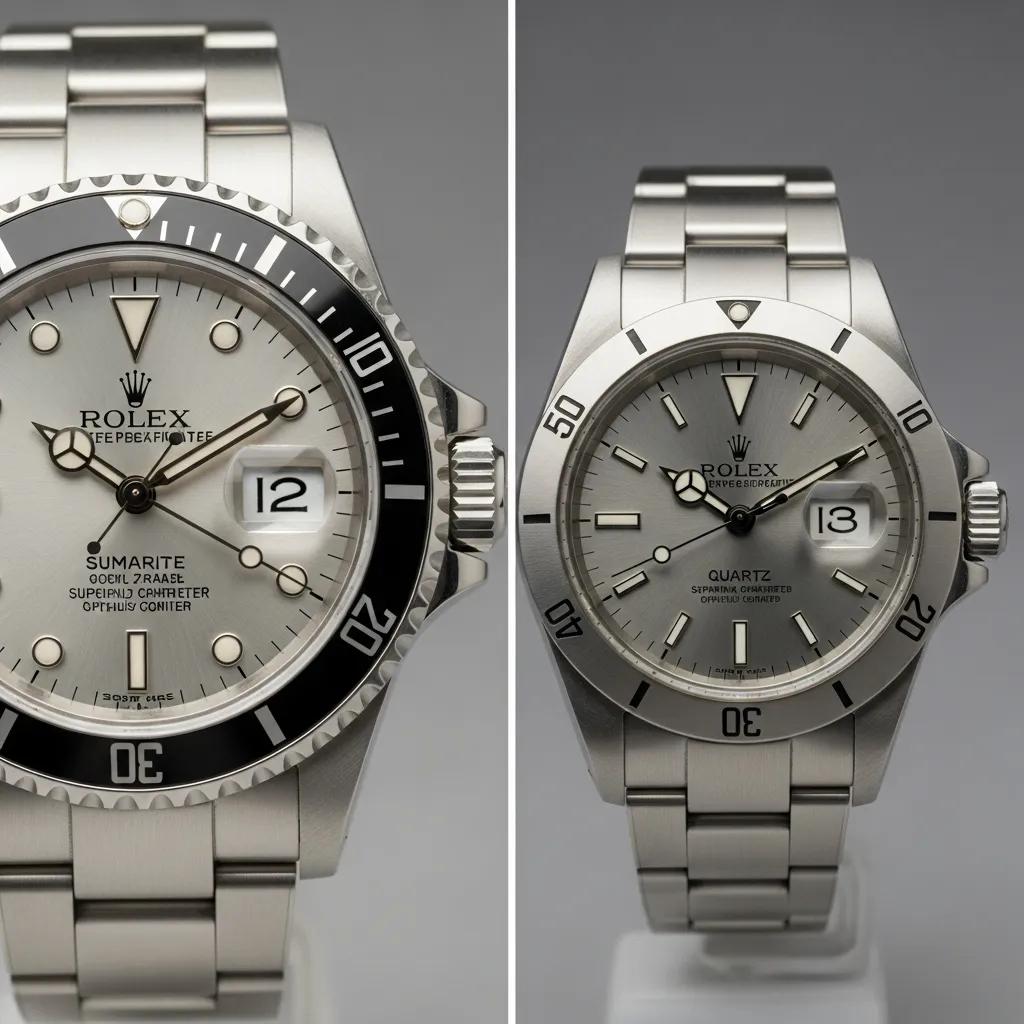
Understanding the differences between genuine and fake Rolex movements is essential for any potential buyer. Genuine Rolex watches typically use in-house movements that are meticulously crafted and tested for precision. These movements are often characterized by their smooth operation and durability. On the other hand, counterfeit Rolexes often rely on mass-produced movements that lack the same level of quality and precision. Common indicators of fake movements include:
- Ticking Motion: Unlike the smooth sweep of a genuine Rolex, many fakes exhibit a noticeable ticking.
- Weight: Genuine Rolex watches are heavier due to the quality materials used in their construction.
- Sound: Authentic Rolex movements operate quietly, while fakes may produce audible ticking sounds.
How to Perform the Rolex Sweep Test on Second Hand Watches
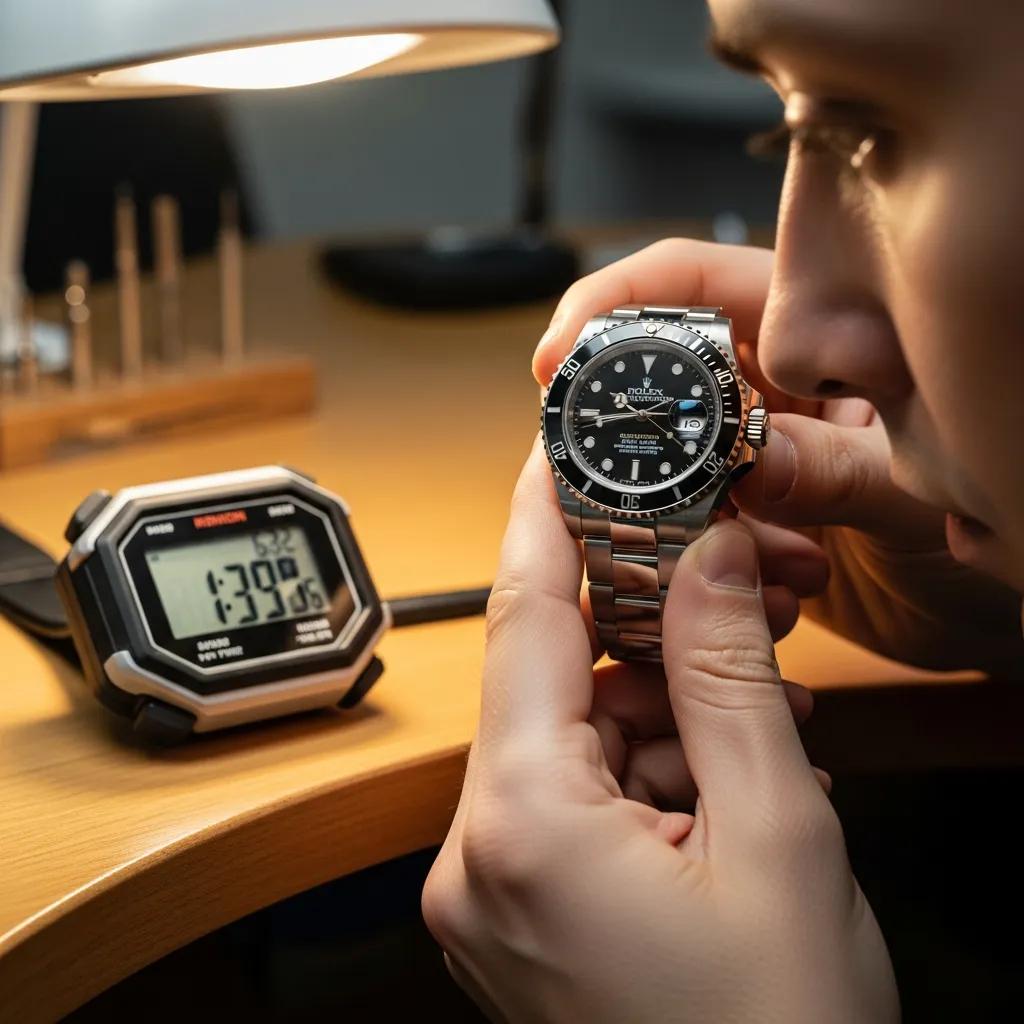
Performing the Rolex sweep test is straightforward and can be done with minimal tools. Here’s how to conduct the test effectively:
- Gather Materials: You will need a well-lit area and a stopwatch or timer.
- Observe the Second Hand: Start the timer and closely watch the second hand’s movement. It should move smoothly without any jerking or ticking.
- Compare with Known Authentic Models: If possible, compare the watch in question with a verified authentic Rolex to see if the movement matches.
For those looking to purchase second-hand Rolex watches, understanding the sweep test is crucial. If you’re interested in exploring high-quality alternatives, consider visiting RepsGoat for a curated selection.
Common Signs Fake Rolexes Fail During the Sweep Test
Identifying counterfeit Rolex watches can be challenging, but there are several common signs that can help you spot a fake during the sweep test. These include:
- Irregular Movement: The second hand may stutter or tick instead of moving smoothly.
- Inconsistent Weight: Fake Rolexes often feel lighter due to the use of inferior materials.
- Poor Craftsmanship: Look for signs of poor finishing, such as uneven edges or misaligned components.
| Movement Type | Characteristic | Authenticity Indicator |
|---|---|---|
| Genuine Rolex | Smooth sweep | Authentic |
| Fake Rolex | Ticking motion | Counterfeit |
| Genuine Rolex | Heavy weight | Authentic |
| Fake Rolex | Light weight | Counterfeit |
These indicators can help you quickly assess the authenticity of a Rolex watch during the sweep test.
Why Do Fake Rolex Watches Fail the Sweep Test?
Fake Rolex watches often fail the sweep test due to several inherent flaws in their design and manufacturing. The quality of materials used in counterfeit watches is typically subpar, leading to mechanical issues that affect the movement. Additionally, counterfeiters often lack the expertise required to replicate the intricate movements found in genuine Rolex watches. This results in noticeable discrepancies in performance, such as:
- Inconsistent Movement: Many fake watches cannot replicate the smooth motion of a genuine Rolex.
- Material Quality: Inferior materials lead to lighter and less durable watches.
- Craftsmanship: Poorly made components can result in operational failures.
Rolex Movement Types and Their Impact on Sweep Hand Behavior
Rolex watches are known for their diverse range of movement types, each contributing to the unique behavior of the sweep hand. The primary movement types include:
- Automatic Movements: These are self-winding and provide a smooth sweep.
- Quartz Movements: Typically found in less expensive models, these may exhibit ticking.
- Manual Movements: Require winding and can also feature a smooth sweep.
Understanding these movement types can help buyers identify the authenticity of a Rolex watch based on the behavior of the sweep hand. For a wide selection of watches, including replica options, consider exploring fake rolex submariner.
Counterfeit Watch Detection: Understanding Movement Flaws
Detecting counterfeit watches requires a keen eye for movement flaws. Common issues include:
- Inconsistent Timing: Fake watches often do not keep accurate time.
- Visible Mechanisms: Poorly constructed movements may be visible through the case back.
- Loud Operation: Many counterfeit watches produce noise during operation, unlike genuine Rolexes.
By familiarizing yourself with these flaws, you can enhance your ability to spot counterfeit watches effectively.
Tips for Safely Buying Second Hand Rolex Watches
When purchasing second-hand Rolex watches, it’s essential to take precautions to ensure authenticity. Here are some tips to consider:
- Research the Seller: Verify the reputation of the seller or marketplace.
- Request Documentation: Ask for original papers and receipts to confirm authenticity.
- Use the Sweep Test: Always perform the sweep test to check the second hand’s movement.
By following these guidelines, you can minimize the risk of purchasing a counterfeit Rolex.
How to Use the Sweep Test Alongside Other Authentication Methods
The sweep test is a valuable tool, but it should be used in conjunction with other authentication methods for the best results. Consider combining the sweep test with:
- Visual Inspections: Check for signs of wear and authenticity marks.
- Documentation Verification: Ensure that the watch comes with original papers.
- Professional Appraisals: Consult with experts for a thorough evaluation.
Using multiple methods increases your chances of accurately identifying a genuine Rolex.
What to Look for When Purchasing from Replica Watch Marketplaces
When buying from replica watch marketplaces, it’s crucial to be vigilant. Here are key factors to consider:
- Quality of Craftsmanship: Examine the watch for signs of quality and attention to detail.
- Seller Reputation: Research the seller’s history and customer reviews.
- Return Policy: Ensure there is a clear return policy in case the watch does not meet expectations.
By keeping these factors in mind, you can make more informed decisions when purchasing from replica watch marketplaces. For a variety of options, including high-quality replicas, check out Replicas Complete Buyers Guide for a wide selection.
The prevalence of counterfeit goods online underscores the importance of vigilance, with a significant portion of search results for ‘replica rolex’ leading to fake products.
Prevalence of Replica Rolexes Online
For ‘complicit’ search terms, such as “replica rolex”, 39% of the search results point to fakes
The e-commerce market for” lemons” identification and analysis of websites selling counterfeit goods, J Drew, 2015