

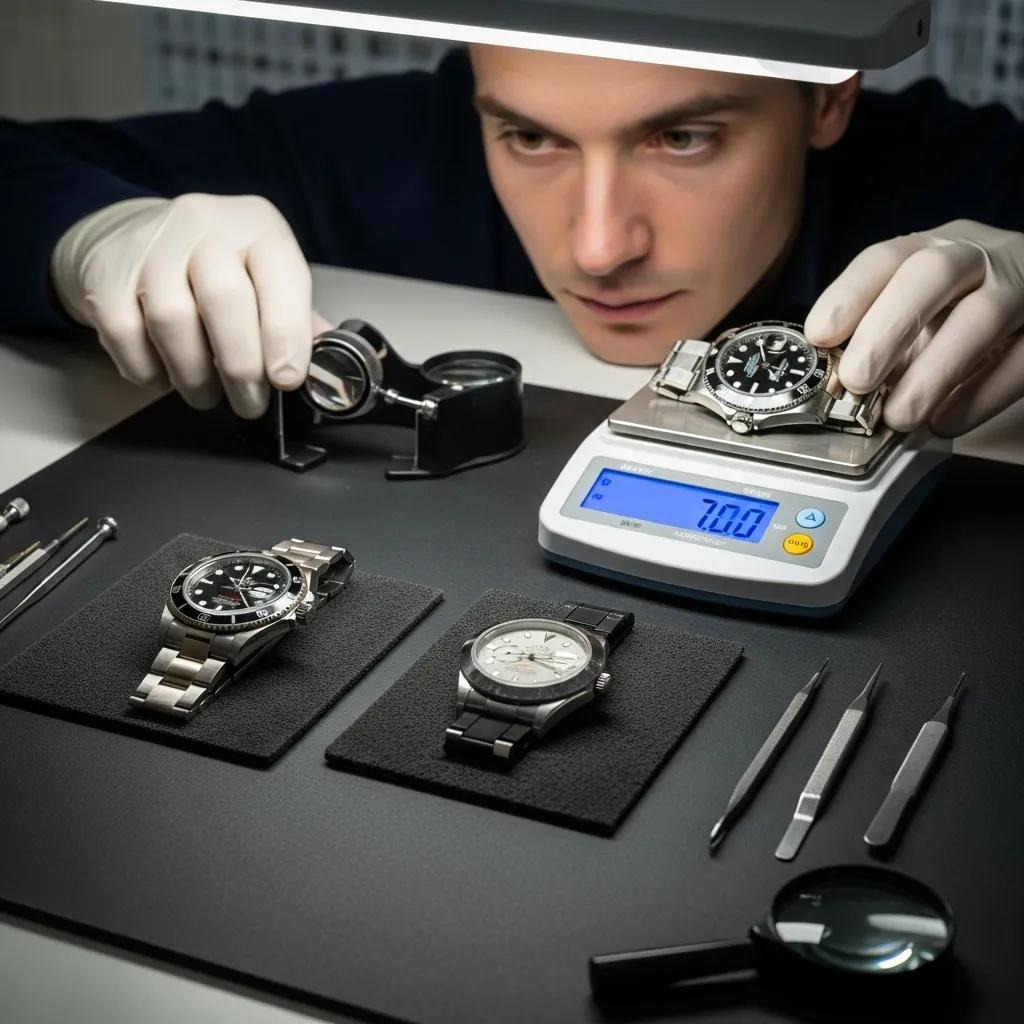
The authenticity of luxury watches, particularly Rolexes, has always been a topic of intrigue and concern among enthusiasts and collectors. As counterfeit technology advances, distinguishing between genuine and fake Rolex watches becomes increasingly challenging. This article delves into the effectiveness of the fake Rolex weight test in 2026, exploring its mechanisms, benefits, and limitations. Readers will learn how to conduct the weight test, understand its relevance in the current market, and discover complementary methods for verifying authenticity. By the end, you will be equipped with the knowledge to make informed decisions when purchasing a Rolex or its replica.
The broader challenge of authenticating luxury products, like Rolexes, is a significant concern for both consumers and sellers, necessitating robust verification methods.
Luxury Product Authentication: Traditional vs. Modern Methods
Luxury products are expensive goods of high quality that are produced in limited quantities. Unsurprisingly, the problem of counterfeiting is especially high for such products, causing various issues for sellers and consumers. Therefore, product authentication represents an important endeavor. While traditional approaches such as expert-based product authentication are reliable but expensive, consumer-based approaches are cheaper but significantly more error-prone. Hence, the development of efficient approaches that also consider the advantages of modern technologies, such as, e.g., blockchains, provide high potential for improving the status quo.
Methods to authenticate luxury products: Identifying key features and most recognized deficits, R Zimmermann, 2023
Introduction to Rolex weight test
The Rolex weight test is a method used to determine the authenticity of a Rolex watch by measuring its weight. Authentic Rolex watches are crafted with high-quality materials, resulting in a specific weight that can be compared against replicas. In 2026, this test remains relevant as counterfeiters continue to produce increasingly convincing replicas. Understanding the importance of weight in authenticity verification is crucial for collectors and buyers alike. Current trends indicate that while the weight test can be a useful tool, it should not be the sole method of authentication.
Historically, the substantial weight of a luxury timepiece has been a key indicator of its quality and authenticity, a principle that remains relevant today.
Rolex Authenticity: Weight as a Sign of Quality
Similarly, the Rolex Oyster Perpetual is inherently related to the number of high-quality gemstones they are encrusted in the wake of the quartz boom, weight was seen as a sign of
Ticking boxes:(Re) constructing the wristwatch as a luxury object, 2015
Step-by-step weight test procedure
To effectively perform the Rolex weight test, follow these steps:
- Gather Materials: You will need a precise digital scale, a genuine Rolex watch for comparison, and a fake Rolex watch.
- Weigh the Genuine Rolex: Place the authentic Rolex on the scale and record its weight in grams.
- Weigh the Replica: Next, weigh the fake Rolex and note its weight.
- Compare Weights: Analyze the difference in weight. Authentic Rolex watches typically weigh between 140-160 grams, while replicas may vary significantly.
- Consider Other Factors: Remember that weight alone does not guarantee authenticity; consider other verification methods as well.
For those interested in high-quality replicas, RepsGoat.com specializes in Rolex replicas, providing detailed specifications and weights for their products.
Limitations of weight tests
While the weight test can provide initial insights into a watch’s authenticity, it has several limitations. One major drawback is the variability in replica weights, as some counterfeiters have begun to use materials that closely mimic the weight of genuine Rolex watches. Additionally, other factors can affect a watch’s weight, such as modifications or repairs made to the original. Therefore, relying solely on weight for authenticity verification can lead to incorrect conclusions. It is advisable to use the weight test in conjunction with other methods for a comprehensive assessment.
Complementary authenticity methods
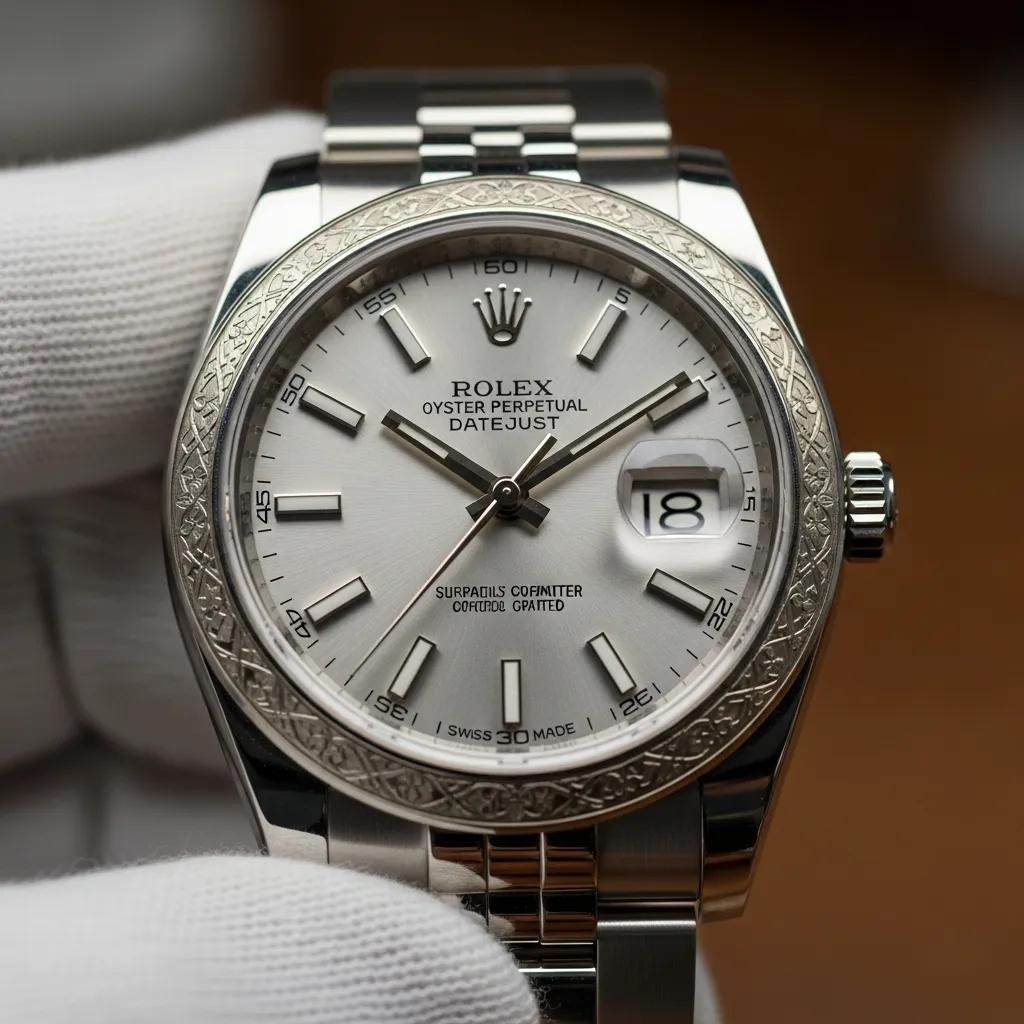
To enhance the reliability of authenticity verification, consider these complementary methods:
- Visual Inspection: Examine the watch for details such as the logo, engravings, and overall craftsmanship. Authentic Rolex watches have precise engravings and high-quality finishes.
- Functional Tests: Check the watch’s movement and features. Genuine Rolex watches have a smooth sweeping second hand and specific functionalities that replicas may lack.
- User Reviews and Experiences: Research user experiences and reviews regarding specific models and sellers. This can provide valuable insights into the authenticity of a watch.
By combining these methods with the weight test, you can significantly improve your chances of accurately identifying a genuine Rolex.
Beyond weight, a meticulous physical examination is paramount in uncovering the subtle discrepancies that distinguish genuine luxury watches from their counterfeit counterparts.
Physical Examination for Counterfeit Watch Detection
The physical examination and analysis of counterfeit watches is one of their core activities of 35 counterfeit watches, including seven models of one of the top luxury watch brands,
Forensic intelligence on illicit markets: The example of watch counterfeiting, O Delémont, 2019
Latest replica trends 2026
In 2026, the market for replica watches continues to evolve, with emerging technologies enhancing the quality of counterfeit products. High-quality replicas are now more accessible, leading to increased consumer awareness and education about authenticity. As demand for luxury watches rises, so does the sophistication of counterfeiters, making it essential for buyers to stay informed about the latest trends. Understanding these dynamics can help consumers make better purchasing decisions and avoid falling victim to counterfeit products.
Comparison tables of real vs fake Rolex weights
To illustrate the differences in weight between authentic and replica Rolex watches, the following table provides a comparison of various models:
| Model | Authentic Weight (grams) | Replica Weight (grams) |
|---|---|---|
| Rolex Submariner | 152 | 140 |
| Rolex Daytona | 160 | 155 |
| Rolex Datejust | 140 | 135 |
This table highlights the weight discrepancies that can be observed between genuine and fake Rolex watches, emphasizing the importance of using the weight test as part of a broader authentication strategy.
How accurate is the Rolex weight test?
The Rolex weight test can be a useful initial step in determining authenticity, but it is not foolproof. While many authentic Rolex watches fall within a specific weight range, high-quality replicas can closely mimic these weights. Therefore, while the weight test can provide valuable insights, it should be used in conjunction with other verification methods for a more accurate assessment of a watch’s authenticity.