

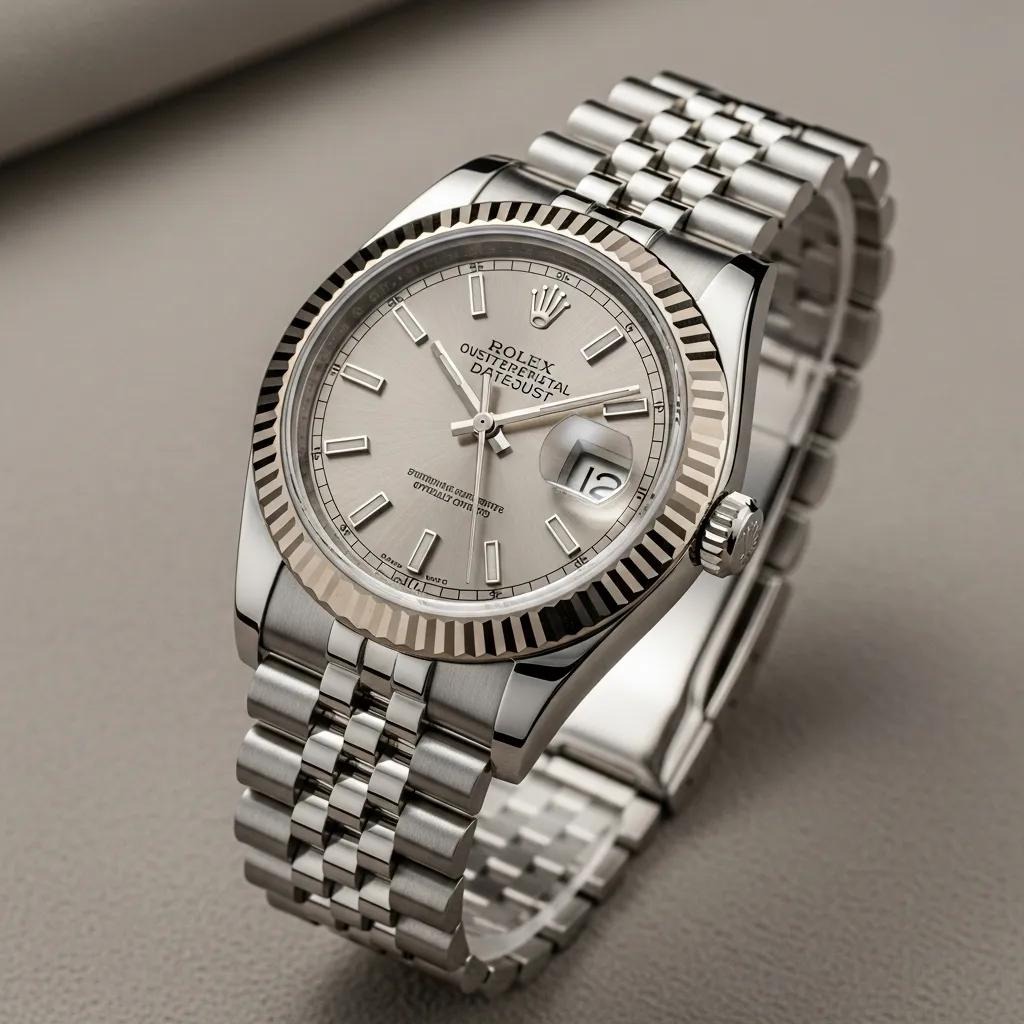
Understanding the Rolex Datejust fake vs authentic distinction is crucial for anyone interested in luxury watches. The Rolex Datejust, introduced in 1945 and still in production today, is one of the most iconic and widely recognized timepieces globally. Its timeless design and prestige make it a favorite target for counterfeiters. Whether you are purchasing a pre-owned Datejust, verifying a gift, or simply authenticating a watch you already own, knowing how to spot a fake Rolex Datejust can save you from costly mistakes.
This comprehensive guide dives deep into every aspect of the Rolex Datejust, from dial details and case finishing to movement characteristics and serial number verification. We will equip you with expert knowledge and practical tips to confidently differentiate between genuine and fake Datejust watches.
Why Understanding Rolex Datejust Fake vs Authentic Matters
The Rolex Datejust is not only a symbol of luxury but also a significant investment. Its enduring popularity means counterfeit versions flood the market, ranging from obvious low-quality fakes to sophisticated replicas that can fool even seasoned collectors. Learning the nuances of Rolex’s official Datejust collection and how to spot a fake Rolex is essential for protecting your investment and ensuring authenticity.
Counterfeit Datejust watches vary widely in quality and price. Some cost less than $50 and are easily identifiable, while others, known as super clones, can retail for hundreds or even thousands of dollars. To navigate this spectrum, understanding the key differences in design, craftsmanship, and mechanics is vital.
Rolex Datejust Fake vs Authentic: Dial Details to Examine
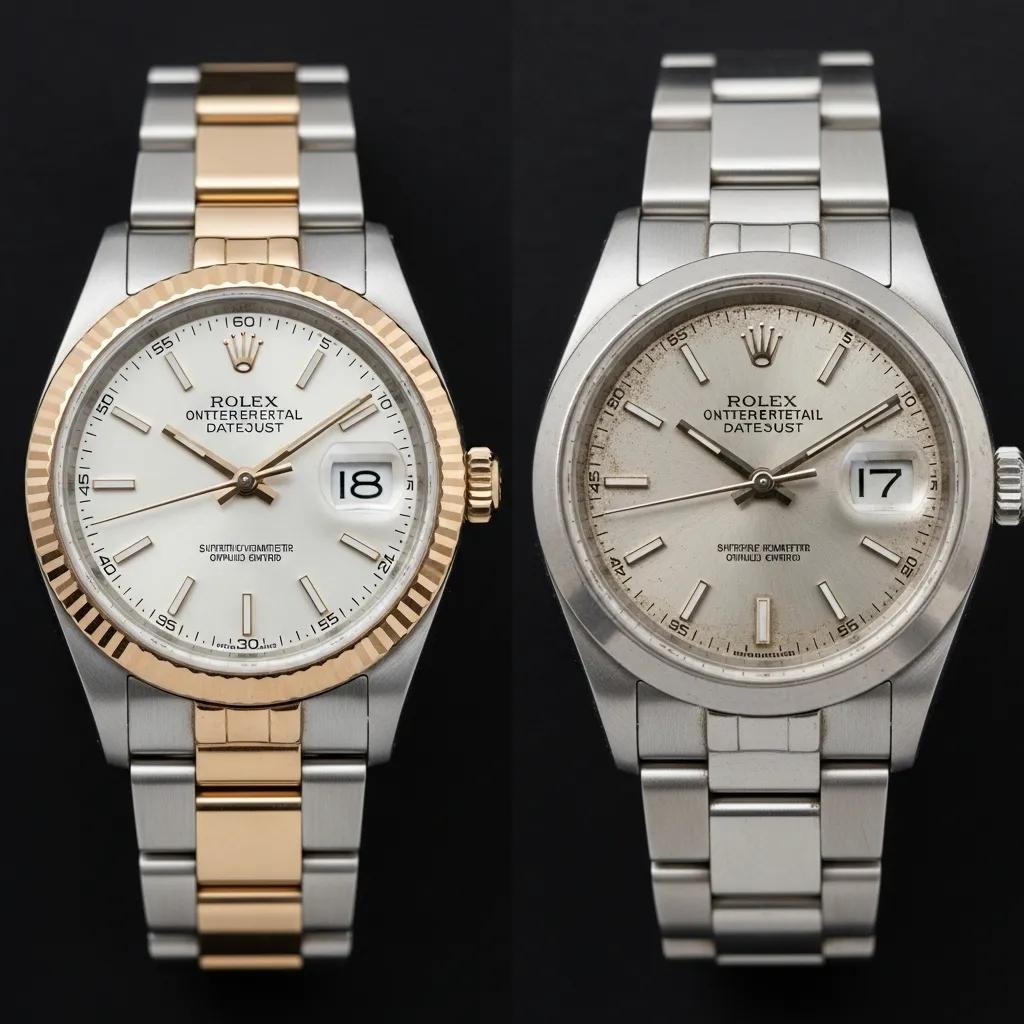
The dial is often the first and most revealing area when distinguishing a Rolex Datejust fake vs authentic. Rolex dials are crafted with exceptional precision and attention to detail, which counterfeiters struggle to replicate.
- Text and Logo Printing: On a genuine Datejust, the Rolex crown logo and text are crisp, sharp, and slightly raised, giving a three-dimensional effect. The spacing between letters, especially “ROLEX” and “DATEJUST,” is perfectly uniform. Fake dials often have flat, blurry, or smudged printing with inconsistent spacing.
- Dial Color and Finish: Authentic Datejust dials feature a rich, uniform color with flawless finishing. Counterfeit dials may appear washed out or show uneven color patches under direct light.
- Applied Hour Markers: Genuine Datejust hour markers are made of solid gold or white gold, applied meticulously to the dial surface. They are thick and three-dimensional. Fake watches often use printed markers or thin, flat metal pieces lacking depth.
- Lume Application: Rolex uses Chromalight, a blue luminescent material, applied evenly on all hour markers and hands. Fakes frequently have uneven lume, bubbles, or misaligned filling.
For those interested in broader counterfeit detection, our guide on how to spot a fake Rolex offers valuable insights applicable across multiple models.
Rolex Datejust Fake vs Authentic: The Cyclops Lens and Date Magnification
The Cyclops lens, positioned above the date window, is a hallmark feature of the Rolex Datejust and a critical authentication point.
On a genuine Rolex Datejust, the Cyclops lens magnifies the date by exactly 2.5 times, making the date numerals large, clear, and perfectly centered within the lens bubble. This magnification is precise and consistent across authentic models.
In contrast, most fake Datejust watches either lack proper magnification, offer less than 2.5x magnification, or display a blurry, off-center date. This discrepancy is one of the quickest and most reliable ways to identify a counterfeit.
Case and Bracelet Differences: Rolex Datejust Fake vs Authentic
The case and bracelet of a Rolex Datejust are engineered to exacting standards, combining durability, comfort, and aesthetic appeal. Counterfeit manufacturers often fall short in replicating these qualities.
- Weight and Feel: Authentic Rolex Datejust watches have a substantial weight due to high-quality materials and solid construction. The bracelet, whether Jubilee or Oyster style, drapes fluidly and moves smoothly. Fake bracelets often feel hollow, lightweight, or rigid, with links that may catch or feel gritty.
- Finishing and Surface Treatment: Rolex alternates between brushed and polished surfaces with sharp, clean transitions. Genuine watches exhibit flawless finishing, while fakes often have uneven polishing, rounded edges, or inconsistent surface textures.
- End Links and Fit: The end links on a genuine Datejust bracelet fit perfectly against the case with no gaps or looseness. Fake watches may have poorly fitting end links that leave visible gaps or wiggle.
- Clasp Engraving: The clasp on an authentic Rolex is engraved deeply and cleanly with the “ROLEX” logo. Counterfeit clasps often have shallow, uneven, or poorly executed engravings.
- Rehaut Engraving: On Datejust models produced after 2002, the inner bezel ring (rehaut) features laser-engraved “ROLEX” text repeated precisely at every minute marker. Fakes either omit this engraving or produce shallow, irregular text.
Exploring the shop replica watches market can provide context on the quality spectrum of available replicas, helping buyers set realistic expectations.
Movement and Mechanical Differences: The Definitive Rolex Datejust Fake vs Authentic Test
The movement inside a Rolex Datejust is a self-winding mechanical caliber, currently the Caliber 3235 in modern models. It operates at 28,800 vibrations per hour (vph), resulting in a smooth, near-continuous sweep of the seconds hand.
- Seconds Hand Sweep: The hallmark of a genuine Rolex movement is the smooth sweep of the seconds hand. It glides almost seamlessly around the dial. In contrast, fake watches with quartz movements tick once per second, producing a distinct “jump.” Even automatic fake movements often beat at lower frequencies (18,000 or 21,600 vph), resulting in a noticeably choppier sweep.
- Movement Sound: When held close to the ear, a genuine Datejust emits a faint, smooth whirring sound from the rotor. Fake movements often produce louder, irregular ticking noises.
- Caseback: Authentic Rolex Datejust watches have solid, engraved casebacks with no transparent exhibition window. The caseback bears the Rolex crown and model reference engravings. Any Datejust with a see-through caseback is not genuine.
For a detailed overview of replica quality and pricing, the best replica Rolex watches guide offers an in-depth breakdown of what premium replicas deliver.
Crown, Crown Guards, and Bezel: Key Rolex Datejust Fake vs Authentic Indicators
Crown and Crown Guards: The winding crown on a genuine Datejust, whether Twinlock or Triplock, screws down securely and smoothly, ensuring water resistance. The crown guards are sharply defined and symmetrical. Fake watches often have crowns that feel loose, strip easily, or fail to screw down properly. Crown guards on fakes may be uneven or poorly shaped.
Bezel Types: The Datejust is known for its distinctive bezel options, primarily fluted or smooth. The fluted bezel on a genuine Rolex is sharply cut with precise angles that catch the light beautifully. Smooth bezels have a flawless polished finish. Counterfeit bezels often lack sharpness, have uneven edges, or show poor finishing.
Serial and Model Number Verification: Confirming Authenticity
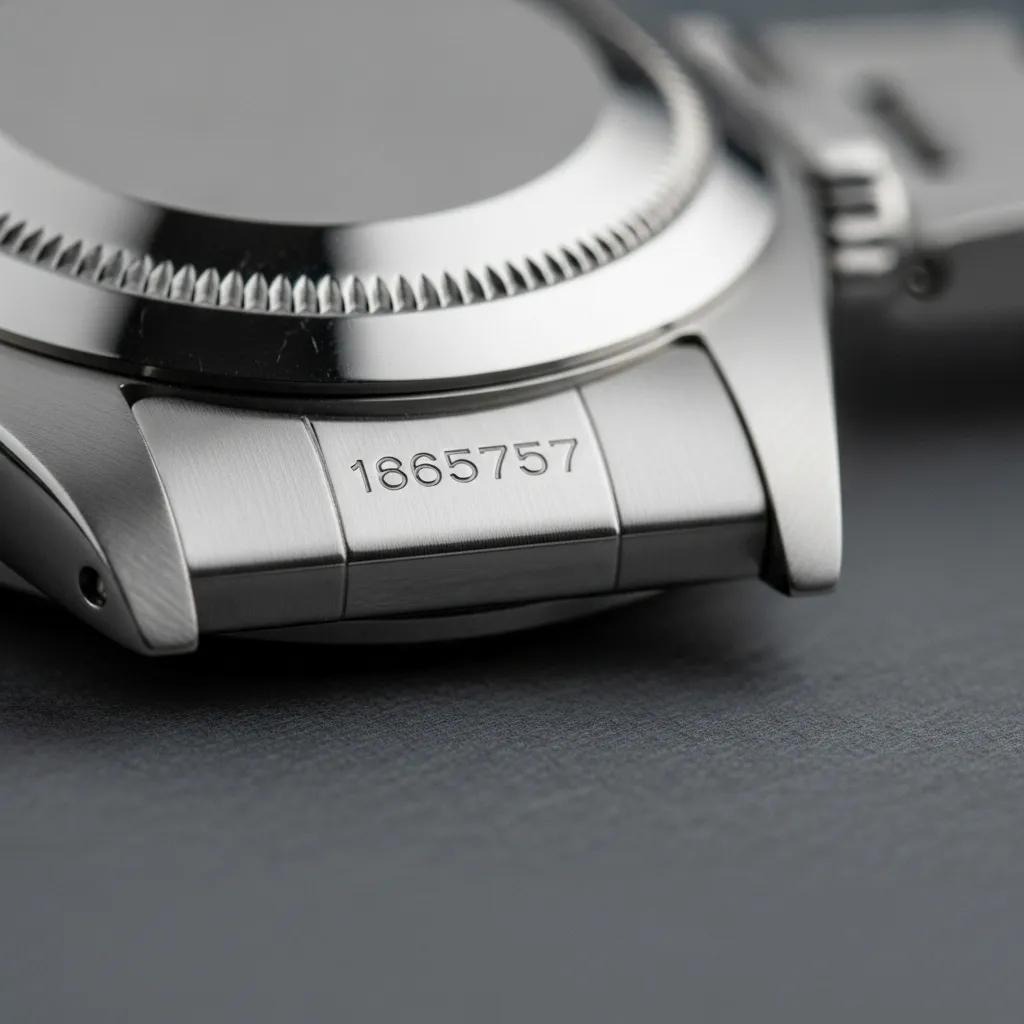
Every genuine Rolex Datejust has a unique serial number engraved between the lugs at the 6 o’clock position and a model reference number between the lugs at 12 o’clock. These engravings are deep, precise, and set against a fine sandblasted background that gives a glowing effect.
Fake watches often feature serial and reference numbers that are shallowly engraved, poorly executed, or use known fake sequences that do not align with Rolex production dates. You can cross-reference serial numbers with production date charts available on Wikipedia’s Rolex article to verify authenticity.
For a comprehensive approach, the resource on how to know if a Rolex is original outlines seven definitive tests to confirm genuineness.
Using These Checks When Buying a Second-Hand Rolex Datejust
When purchasing a pre-owned Datejust, especially from private sellers or online marketplaces, applying the Rolex Datejust fake vs authentic checks is essential. Start with a detailed dial inspection, verify the Cyclops magnification, and examine the bracelet and clasp for finishing and engraving quality. Observe the seconds hand sweep and listen for movement sounds if possible. Confirm serial and model numbers and cross-reference them with official production data.
Additionally, consider consulting professional authentication services or reputable independent watchmakers experienced with Rolex watches. For those interested in alternatives, exploring the fake Rolex Datejust market can provide insight into what high-quality replicas look like and how they compare to genuine models.
Rolex Datejust Fake vs Authentic: Summary of Key Differences
| Feature | Genuine Rolex Datejust | Fake Rolex Datejust |
|---|---|---|
| Dial Printing | Raised, sharp, perfectly spaced text and logo | Flat, blurry, or smudged printing |
| Lume | Even Chromalight blue lume on markers and hands | Uneven, bubbly, or misaligned lume |
| Cyclops Lens | 2.5x magnification, clear and centered date | No or weak magnification, blurry or off-center date |
| Bracelet | Heavy, fluid movement, sharp brushed/polished finish | Light, rigid, uneven finishing |
| Movement | Smooth sweeping seconds hand, faint rotor sound | Ticking seconds hand, loud or irregular noise |
| Caseback | Solid engraved caseback, no exhibition window | See-through or poorly engraved caseback |
| Serial Numbers | Deep, precise engraving with sandblasted background | Shallow, rough, or fake serial numbers |
Frequently Asked Questions
How can I tell a fake Rolex Datejust from a real one at a glance?
The quickest ways to identify a fake Rolex Datejust include checking the Cyclops lens magnification (should be exactly 2.5x on a genuine), observing the seconds hand sweep (smooth and near-continuous on authentic models), and feeling the watch’s weight (genuine Datejusts are substantially heavy). If any of these checks fail, the watch is likely not authentic.
What are the most common fake Rolex Datejust tells?
Common signs of a fake Rolex Datejust include blurry or flat dial printing, uneven lume application, weak or absent Cyclops magnification, lightweight or poorly finished bracelets, ticking seconds hand instead of a smooth sweep, and shallow or incorrect serial number engravings. Additionally, fake watches may have see-through casebacks, which genuine Datejusts never feature.
Can jewelers spot a fake Rolex Datejust?
Yes, experienced jewelers and watchmakers familiar with Rolex can often spot a fake Datejust through detailed inspection. They can open the caseback to verify the movement, examine finishing quality, and use specialized tools to check serial numbers and engravings. However, some high-quality replicas require expert knowledge and equipment to detect.
How much does a real Rolex Datejust cost?
New genuine Rolex Datejust watches typically start around $7,000 to $8,000 USD, with prices increasing significantly for models featuring precious metals or gem settings. Pre-owned prices vary based on condition, age, and rarity. For comparison, high-quality replicas range from $100 to $1,000 depending on craftsmanship and movement quality. For detailed pricing tiers, see our guide on fake Rolex.
Are replica Rolex Datejust watches legal to own?
Owning replica watches is legal in many countries, but laws vary. It is generally legal to purchase and own a replica for personal use, but selling or distributing counterfeit watches is illegal and can lead to severe penalties. Always research local laws before buying or selling replicas. For those interested in high-quality replicas, the best quality fake Rolex guide provides insights into the top replica options available.