

Avoiding Scams When Buying Replicas Online
Avoiding Scams When Buying Replicas Online: Essential Seller Reviews and Authenticity Verification Tips
By Luca Alifu, RepsGoat
Buying replicas online can save money but carries fraud risk. This guide focuses on practical seller-review checks and authenticity-verification steps to help you make safer purchases and reduce the chance of loss.
The prevalence of e-commerce fraud highlights the critical need for buyers to be vigilant and informed when making online purchases.
E-commerce Fraud Awareness & Prevention Strategies
E-commerce has significantly transformed global commerce, providing consumers with unmatched convenience and access to goods and services worldwide. However, this digital revolution has also given rise to E-commerce frauds. Cybercriminals exploit various techniques, such as phishing, identity theft, fraudulent websites, and payment scams, to deceive consumers and undermine trust in online transactions.
E-Commerce Frauds: Awareness and Preventive Measures, S Crasta, 2024
Seller Reviews
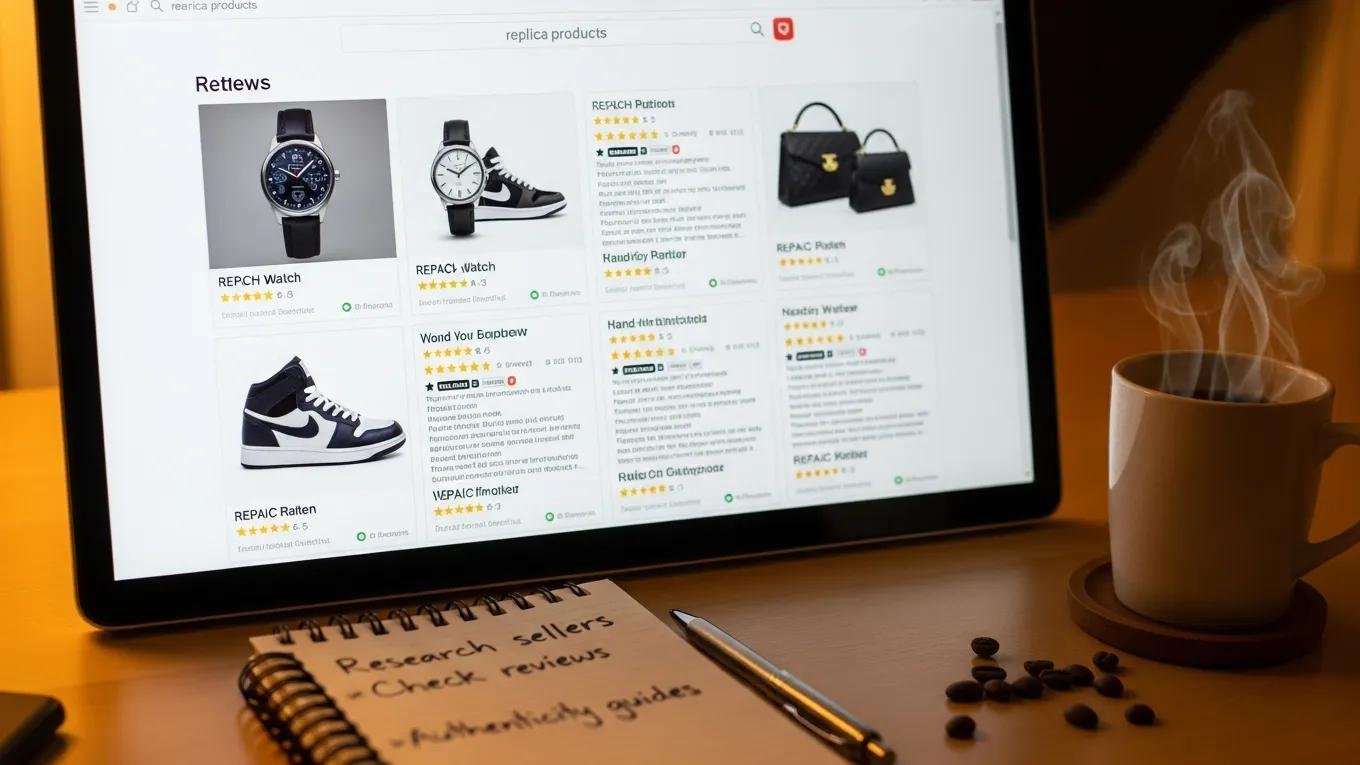
Seller reviews are the fastest way to spot reliable sellers. Look for clear patterns in feedback and detailed accounts that confirm delivery, product quality, and after-sales support.
- Assess Seller Reputation: Prefer sellers with many positive ratings.
- Evaluate Consistent Feedback: Note themes about quality and service.
- Seek Detailed Reviews: Prioritise reviews that show photos or transaction specifics.
Community-driven marketplaces, such as RepsGoat.com, aggregate user feedback that helps vet sellers quickly.
Verifying Authenticity
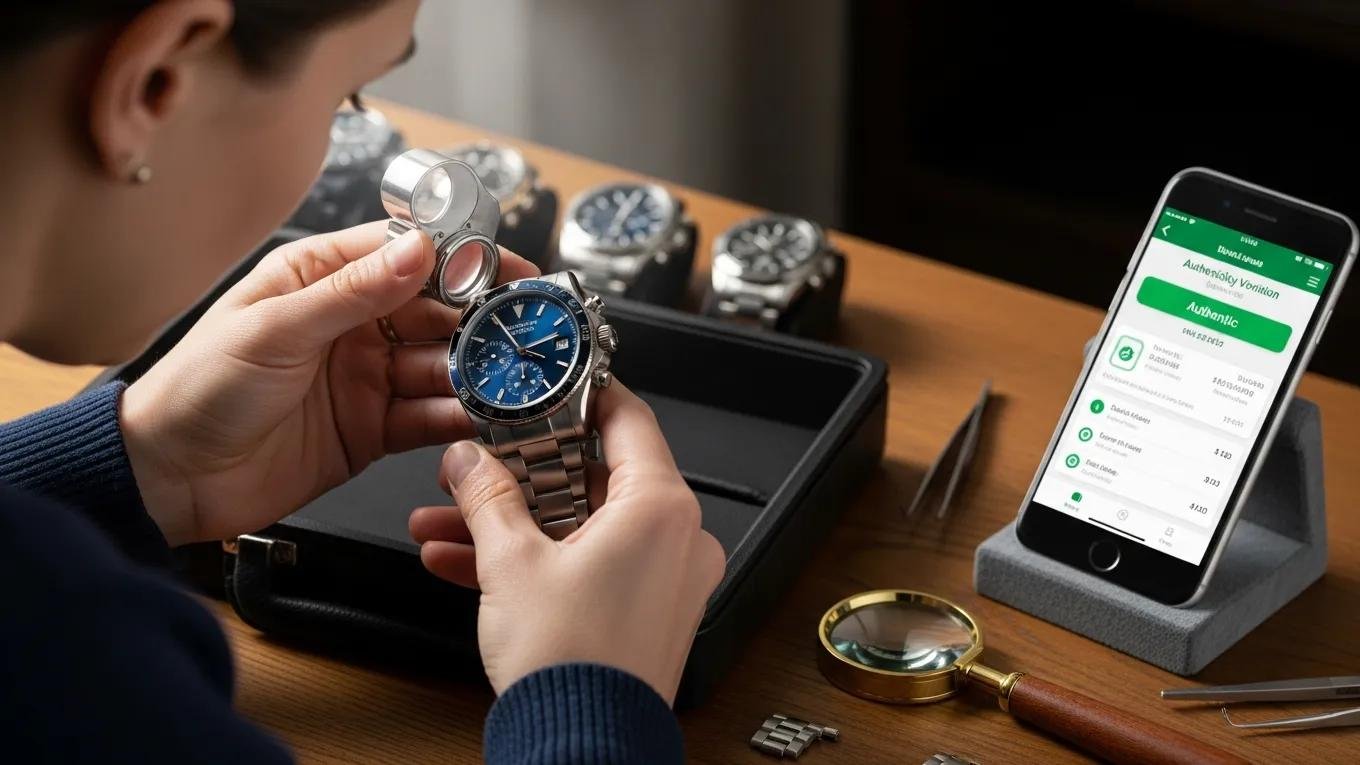
Ask for verifiable evidence before paying. Use focused checks so you can confirm the item matches expected details and quality.
- Request Detailed Photos: Get high-resolution images from multiple angles.
- Inspect Movement Quality: For watches, check movement and function.
- Verify Serial Numbers: Ask for serials and cross-check when possible.
Established marketplaces like RepsGoat.com often supplement listings with community checks and seller histories.
What Are the Common Risks in Online Replica Marketplaces?
Common risks include fake listings, disappearing sellers, and exaggerated descriptions. Be aware and treat unusually good offers with caution.
- Fake Listings: Listings for items that differ from what is delivered.
- Disappearing Sellers: Sellers who stop responding after payment.
- Misleading Descriptions: Overstated quality or omitted defects.
Knowing these risks helps you screen listings more effectively.
How Do Replica Marketplace Scams Typically Occur?
Scams often combine deceptive listings, low-quality counterfeits sold as higher-grade pieces, and payment methods that limit dispute options.
- Fake Listings: Advertised products that don’t exist or differ.
- Counterfeit Products: Low-quality imitations passed off as better items.
- Unreliable Payment Methods: Channels with little buyer protection.
Spotting these tactics early avoids risky transactions.
What Are the Indicators of Fake Product Listings?
Watch for vague copy, stock images, and prices that are far below typical market levels—these are common warning signs.
- Misleading Descriptions: Vague or overly promotional language.
- Use of Stock Photos: No real photos of the actual item.
- Unrealistic Pricing: Prices that undercut similar offers substantially.
Filter out listings with multiple red flags and focus on verified sellers.
Which Seller Red Flags Should Buyers Recognize?
Key red flags include opaque descriptions, poor communication, and limits on payment options. Any of these should prompt extra verification.
- Lack of Transparent Product Descriptions: Missing details or specs.
- Poor Communication Quality: Slow or evasive replies.
- Limited Payment Options: Requests for unusual payment channels.
Prioritise sellers who provide clear answers and return policies.
How to Identify Untrustworthy Replica Sellers?
Identify risky sellers by low prices, no return policy, and reliance on stock imagery. Treat such listings skeptically.
- Look for Unrealistically Low Prices: Too-good deals usually hide issues.
- Check for No Return Policy: A missing policy is a warning.
- Beware of Stock Photos Only: Demand photos of the actual item.
Simple checks reduce exposure to scams.
What Verification Steps Confirm Seller Authenticity?
Confirm authenticity through transparent descriptions, responsive communication, and quality-control (QC) photos before purchasing.
- Check for Transparent Product Descriptions: Clear specs and materials listed.
- Evaluate Communication Quality: Prompt, detailed responses indicate reliability.
- Request Quality Control (QC) Photos: Photos showing serials, tags, or unique marks.
These steps materially lower fraud risk.
What Are Effective Authenticity Verification Techniques for Replicas?
Combine visual inspection, verification tools/apps, and advice from specialist communities to build confidence in an item’s legitimacy.
- Visual Checks: Compare logos, stitching, and finishes to known references.
- Tools for Verification: Use apps or image comparisons where available.
- Community Resources: Seek opinions from experienced buyers and forums.
Multiple methods together give a clearer picture than any single check.
Which Methods Detect Fake Products Accurately?
Use close visual inspection, physical checks (weight, materials), and technological verification when possible—no single method is definitive.
- Visual Inspections: Look for uneven stitching, poor finishes, or incorrect logos.
- Physical Quality Indicators: Check weight, feel, and materials.
- Tools for Verification: Apps or serial checks can help when supported.
Combining checks reduces the chance of accepting counterfeits.
How Can Buyers Use Community Reviews to Verify Authenticity?
Community reviews give real-world evidence. Prioritise detailed reports with photos and confirm a seller’s consistent history.
- Research Community Forums: Find threads on the seller or product.
- Evaluate Quality of Reviews: Prefer reviews with specifics and images.
- Check Seller’s Track Record: Look for consistent successful transactions.
Peer feedback is often the fastest way to flag problems.
How Can Buyers Protect Themselves When Purchasing Replicas Online?
Protect yourself by checking seller reputation, verifying product details, and watching for fraud indicators. Prefer sellers with clear return policies.
- Evaluate Seller Reputation: Check ratings and past sales.
- Verify Product Authenticity: Use the techniques above before paying.
- Recognize Red Flags: Stop if multiple warning signs appear.
Consistent vigilance reduces scam exposure.
What Buyer Protection Strategies Minimize Scam Risks?
Use reliable payment methods, request QC photos, and document communications to strengthen your position if a dispute arises.
- Research Sellers: Spend time vetting reputations and listings.
- Request QC Photos: Verify the exact item you’ll receive.
- Use Secure Payment Methods: Prefer credit cards or platforms with buyer protection.
These precautions improve options for dispute resolution.
How to Report and Avoid Scam Sellers in Replica Marketplaces?
Report scams to platforms and, if necessary, consumer protection agencies. Share verified experiences and keep transaction records as evidence.
- Report to Authorities: Notify platforms or relevant agencies when appropriate.
- Share Experiences in Forums: Help warn other buyers.
- Document Everything: Save receipts, messages, and photos as proof.
Collective reporting helps curb repeat offenders.
Frequently Asked Questions
What should I do if I receive a counterfeit product?
Contact the seller for a refund or exchange and save all correspondence and photos. If unresolved, file a complaint with the marketplace and keep records for any formal reports.
How can I ensure my payment method is secure when buying replicas?
Use payment options that offer buyer protection (credit cards, PayPal). Avoid wire transfers or prepaid cards and confirm the checkout uses HTTPS.
Are there specific platforms known for reliable replica purchases?
Community-driven platforms such as RepsGoat.com can improve transparency via reviews and controls, but always verify seller histories before buying.
What are the legal implications of buying and selling replicas?
Legal risks vary by jurisdiction. Selling counterfeits is often illegal; buyers should understand local laws regarding intellectual property and potential penalties.
How can I differentiate between high-quality replicas and counterfeits?
Compare craftsmanship, materials, weight, and known authentic details (logos, stitching, serials). Request high-resolution images and reference guides when possible.
What role do online communities play in replica purchasing?
Online communities provide peer reviews, verification tips, and seller reputations—valuable real-world checks from experienced buyers.
How can I stay updated on the latest scams in the replica market?
Follow dedicated forums, industry blogs, and community contributors. Subscribe to relevant newsletters and monitor marketplace reports for alerts.
Conclusion
Use seller reviews, focused authenticity checks, secure payments, and community feedback to lower your risk when purchasing replicas. Prioritise transparent sellers, request QC evidence, and document transactions. Start your search with reputable community resources such as RepsGoat.com and apply the verification steps above before committing to a purchase.